• Перший складаний смартфон Apple, ймовірно, вийде без слота для фізичної SIM-карти, підтримуючи лише eSIM. Реліз очікується наприкінці 2026-го або на початку 2027 року. Смартфон матиме формфактор “книжки” з 7,8-дюймовим внутрішнім екраном та надтонкий корпус. https://channeltech.space/smartphones/iphone-fold-esim-only-china-mar...
    Перший складаний смартфон Apple, ймовірно, вийде без слота для фізичної SIM-карти, підтримуючи лише eSIM. Реліз очікується наприкінці 2026-го або на початку 2027 року. Смартфон матиме формфактор “книжки” з 7,8-дюймовим внутрішнім екраном та надтонкий корпус. https://channeltech.space/smartphones/iphone-fold-esim-only-china-market-challenges/
    CHANNELTECH.SPACE
    iPhone Fold буде лише з eSIM: відомі деталі та характеристики - Channel Tech
    Майбутній складаний iPhone Fold відмовиться від фізичних SIM-карт. Чому це проблема для ринку Китаю, скільки коштуватиме новинка та коли чекати реліз.
    62переглядів
  • #історія #особистості
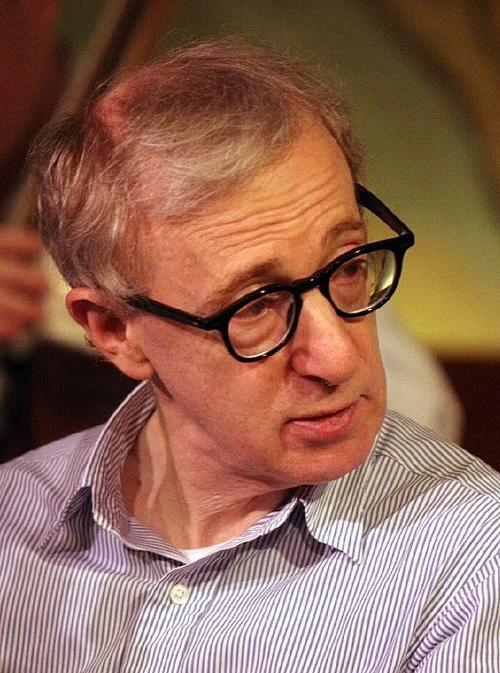
    1 грудня 1935: Вуді Аллен — Кінематографічний філософ і головний невротик Мангеттена 🎬🧠
    Сьогодні свій день народження відзначає Вуді Аллен — один із найплодовитіших та найбільш впізнаваних кінорежисерів сучасності, чотириразовий лауреат премії "Оскар". Він є не просто режисером, а хронікером інтелектуальної тривожності та неперевершеним майстром "нью-йоркського" кіно.

    Гумор на межі філософії

    Вуді Аллен розпочав кар'єру як стендап-комік та сценарист, і цей комедійний бекграунд став основою його унікального кінематографічного почерку. Його фільми — це завжди поєднання високого інтелекту (обговорення К'єркегора та Ніцше) із самопринизливим, часто невротичним, гумором. Головний герой його картин — зазвичай, сам Аллен: інтелігент, схильний до рефлексії, філософських роздумів про смерть і невдач у стосунках.

    Мангеттен як декорація 🗽

    Нью-Йорк, і особливо острів Мангеттен, є не просто місцем дії, а повноцінним персонажем у його фільмах. У таких шедеврах, як "Енні Голл" (Annie Hall, 1977) та "Мангеттен" (Manhattan, 1979), Аллен створив нову естетику інтелектуальної комедії, за яку він отримав свої перші "Оскари" (включно з нагородою за найкращу режисуру).
    Загалом, він здобув чотири статуетки "Оскар", більшість із яких — за найкращий оригінальний сценарій, що підкреслює його винятковий дар оповідача. Його здатність створювати практично щороку новий фільм протягом багатьох десятиліть стала легендою Голлівуду.

    Через свої стрічки Вуді Аллен веде безперервний діалог із глядачем про абсурдність існування, кохання та пошук сенсу, даруючи нам одні з найглибших та найсмішніших роздумів в історії кіно.
    #історія #особистості 1 грудня 1935: Вуді Аллен — Кінематографічний філософ і головний невротик Мангеттена 🎬🧠 Сьогодні свій день народження відзначає Вуді Аллен — один із найплодовитіших та найбільш впізнаваних кінорежисерів сучасності, чотириразовий лауреат премії "Оскар". Він є не просто режисером, а хронікером інтелектуальної тривожності та неперевершеним майстром "нью-йоркського" кіно. Гумор на межі філософії Вуді Аллен розпочав кар'єру як стендап-комік та сценарист, і цей комедійний бекграунд став основою його унікального кінематографічного почерку. Його фільми — це завжди поєднання високого інтелекту (обговорення К'єркегора та Ніцше) із самопринизливим, часто невротичним, гумором. Головний герой його картин — зазвичай, сам Аллен: інтелігент, схильний до рефлексії, філософських роздумів про смерть і невдач у стосунках. Мангеттен як декорація 🗽 Нью-Йорк, і особливо острів Мангеттен, є не просто місцем дії, а повноцінним персонажем у його фільмах. У таких шедеврах, як "Енні Голл" (Annie Hall, 1977) та "Мангеттен" (Manhattan, 1979), Аллен створив нову естетику інтелектуальної комедії, за яку він отримав свої перші "Оскари" (включно з нагородою за найкращу режисуру). Загалом, він здобув чотири статуетки "Оскар", більшість із яких — за найкращий оригінальний сценарій, що підкреслює його винятковий дар оповідача. Його здатність створювати практично щороку новий фільм протягом багатьох десятиліть стала легендою Голлівуду. Через свої стрічки Вуді Аллен веде безперервний діалог із глядачем про абсурдність існування, кохання та пошук сенсу, даруючи нам одні з найглибших та найсмішніших роздумів в історії кіно.
    Like
    1
    222переглядів
  • ЄЦ U-23 Лозанна: Українські шпажистки другий сезон поспіль виграють командну першість на турнірі у Швейцарії!

    15 листопада, у Швейцарії🇨🇭 розпочався етап серії Європейського циклу U-23 з фехтування на шпагах «Lausanne International Fencing Challenge». Як і на попередньому турнірі над першою сходинкою п’єдесталу за підсумками змагань жіночих команд піднявся синьо-жовтий прапор🇺🇦 Золото здобули для України Емілі Конрад, Аліна Дмитрук, Юлія Фатула та Анна Максименко.

    🔹Сіяні під першим номером майбутні чемпіонки розпочали турнір одразу з 1/4, де впевнено перемогли Ізраїль🇮🇱 (45:24). У півфіналі змусили скласти зброю господарок доріжки з команди Швейцарії🇨🇭 3 (45:35), а у поєдинку за золото не залишили шансів Іспанії🇪🇸 (45:32).
    #спорт @sports #Український_спорт #Ukrainian_sport #спорт_sports #brovarysport @brovarysport
    ВСІ НОВИНИ СПОРТУ НА: https://t.me/brovarysport
    ЄЦ U-23 Лозанна: Українські шпажистки другий сезон поспіль виграють командну першість на турнірі у Швейцарії! 15 листопада, у Швейцарії🇨🇭 розпочався етап серії Європейського циклу U-23 з фехтування на шпагах «Lausanne International Fencing Challenge». Як і на попередньому турнірі над першою сходинкою п’єдесталу за підсумками змагань жіночих команд піднявся синьо-жовтий прапор🇺🇦 Золото здобули для України Емілі Конрад, Аліна Дмитрук, Юлія Фатула та Анна Максименко. 🔹Сіяні під першим номером майбутні чемпіонки розпочали турнір одразу з 1/4, де впевнено перемогли Ізраїль🇮🇱 (45:24). У півфіналі змусили скласти зброю господарок доріжки з команди Швейцарії🇨🇭 3 (45:35), а у поєдинку за золото не залишили шансів Іспанії🇪🇸 (45:32). #спорт @sports #Український_спорт #Ukrainian_sport #спорт_sports #brovarysport @brovarysport ВСІ НОВИНИ СПОРТУ НА: https://t.me/brovarysport
    142переглядів
  • 🇺🇦
    Дуже хочеться, щоб це побачили жителі фронтових міст та сіл. Якщо вас просять евакуюватися — робіть це. Будь-яке життя краще за те, що чекає вас там, де наступає російська армія. Ущент розбиті квартали, зруйновані вулиці — якщо пощастить, ви виживете, ховаючись у підвалах.
    Але це створює нам надзвичайні труднощі. Після артобстрілів росіяни запускають піхоту, яка нишпорить вулицями, і нам стає дуже важко працювати, коли, як на цьому відео, поранені після російських обстрілів люди намагаються вибратися, а поруч із ними ходить окупант.
    Підпишись на монобазу «Чорного Лебедя» 🔴Monobase
    🇬🇧
    We really want the residents of frontline towns and villages to see this. If you’re asked to evacuate — please do it. Any life is better than what awaits you where the russian army advances. Entire streets are wiped out; if you're lucky, you survive hiding in basements.
    But this creates enormous challenges for us. After artillery strikes, russians send in infantry that prowls the streets, and it becomes extremely hard for us to work when, as in this video, people wounded by russian shelling try to escape while an occupier walks right beside them.
    Support “Black Swan” via PayPal.

    https://t.me/Ukraineaboveallelse
    🇺🇦 Дуже хочеться, щоб це побачили жителі фронтових міст та сіл. Якщо вас просять евакуюватися — робіть це. Будь-яке життя краще за те, що чекає вас там, де наступає російська армія. Ущент розбиті квартали, зруйновані вулиці — якщо пощастить, ви виживете, ховаючись у підвалах. Але це створює нам надзвичайні труднощі. Після артобстрілів росіяни запускають піхоту, яка нишпорить вулицями, і нам стає дуже важко працювати, коли, як на цьому відео, поранені після російських обстрілів люди намагаються вибратися, а поруч із ними ходить окупант. Підпишись на монобазу «Чорного Лебедя» 🔴Monobase 🇬🇧 We really want the residents of frontline towns and villages to see this. If you’re asked to evacuate — please do it. Any life is better than what awaits you where the russian army advances. Entire streets are wiped out; if you're lucky, you survive hiding in basements. But this creates enormous challenges for us. After artillery strikes, russians send in infantry that prowls the streets, and it becomes extremely hard for us to work when, as in this video, people wounded by russian shelling try to escape while an occupier walks right beside them. Support “Black Swan” via PayPal. https://t.me/Ukraineaboveallelse
    257переглядів 4Відтворень
  • #музика #ШІ
    #Dancehall
    #музика #ШІ #Dancehall
    1.AI music - Code Red Groove
    2.AI music - The Unwritten Rules
    3. AI music - Magnetic Collision
    4.AI music - Riddim Calling
    5.AI music - Tropical Drive
    Like
    Love
    3
    333переглядів 1 Поширень
  • Міжнародний день Обійми бігуна
    Щороку 20 листопада світова спільнота відзначає Міжнародний день “Обійми бігуна” (International Hug A Runner Day), який часто називають G.O.H.A.R.D. (“Глобально організований день обійми бігуна”). Цей особливий день – не лише визнання відданості та наполегливості бігунів, але й зміцнення почуття товариства та єдності у біговій спільноті. Це свято підтримки, натхнення і мотивації для тих хто бігає або збирається почати бігати.

    Міжнародний день “Обійми бігуна”, заснований у 2010 році, розпочався як скромна данина пам’яті під назвою “День бігуна по пересіченій місцевості”, започаткована завзятим бігуном. Згодом ініціативу підтримали і розширили Тім Каталано та олімпієць Адам Гоучер. З часом цей день став сприяти зміцненню зв’язків у біговій спільноті, підкреслюючи підбадьорливу силу простих обіймів під час тренувань або забігів. Щороку він збирає значну кількість учасників, про що свідчать такі події, як “Обійми бігуна на 5 кілометрів за 5 тисяч доларів” (Hug A Runner 5K For $5K Challenge). Крім того, він має благодійний вимір: під час реєстрації у відповідних бігових заходах збираються значні пожертви для благодійних організацій, що опікуються дітьми, таких як “Дівчата на бігу” та “Взуття, що підходить”.

    Чому варто святкувати Міжнародний день “Обійми бігуна”?
    Біг сприяє здоров’ю серцево-судинної системи, що приносить користь не лише тілу, але й розуму.
    Цей день слугує одою дисципліні та рішучості, які демонструють бігуни.
    Відзначення цього дня підкреслює неймовірну витривалість і стійкість, які бігуни демонструють у своїх прагненнях.
    Це підкреслює важливість підтримки громади та єдності у будь-яких починаннях, і біг не є винятком.
    Відзначення цього дня сприяє підвищенню обізнаності про терапевтичні переваги бігу, який допомагає боротися з тривогою та стресом.
    Спільнота бігунів є великою і різноманітною, цього дня аплодують кожному бігуну, незалежно від віку, статі чи рівня майстерності.
    Як відзначити Міжнародний день “Обійми бігуна”
    Почніть вже бігати!
    Приєднайтеся до місцевого бігового клубу і поділіться своїм досвідом, не забуваючи при цьому вільно обніматися.
    Організуйте вечір кіно на бігову тематику з такими фільмами, як “Вогняні колісниці” або “Форрест Гамп”.
    Підтримайте друзів, що бігають, надіславши їм мотиваційні повідомлення або записки.
    Організуйте місцевий біговий захід, який сприятиме взаємодії та обміну досвідом між учасниками.
    Подаруйте бігуну щось особливе, наприклад, індивідуальну пляшку води або унікальну пару бігових шкарпеток.
    Відвідайте марафон або візьміть у ньому участь, щоб поринути в атмосферу і повболівати за бігунів.
    Запросіть друзів на пробіжку в парк – це буде веселий і активний спосіб провести час разом.
    Цікаві факти про бігунів та біг
    Найстаріший у світі щорічний марафон, Бостонський марафон, стартував у 1897 році.
    Дослідження показало, що біг дійсно може допомогти продовжити тривалість життя на кілька років. 1
    Середня швидкість бігу людини становить близько 12-13 км/год, але елітні спринтери можуть розвивати швидкість до 40 км/год.
    Чи знаєте ви? Назва “марафон” походить від імені давньогрецького воїна Фідіппіда, який нібито пробіг від міста Марафон до Афін, щоб доставити повідомлення. 3
    Ультрамарафони, забіги, які довші за традиційний марафон на 42 км, можуть мати дистанцію до 150 км і більше. 2
    “Кайф бігуна”, ейфорійне відчуття після забігу, пов’язане з вивільненням ендорфінів у мозку.
    Міжнародний день “Обійми бігуна” є свідченням дружби, наполегливості та духу бігової спільноти. Йдеться не лише про фізичну підготовку, але й про душевну силу, відданість та згуртованість спільноти, які притаманні цьому виду спорту. Відзначати цей день означає підтримувати та визнавати шлях кожної людини на біговій доріжці та за її межами.
    Міжнародний день Обійми бігуна Щороку 20 листопада світова спільнота відзначає Міжнародний день “Обійми бігуна” (International Hug A Runner Day), який часто називають G.O.H.A.R.D. (“Глобально організований день обійми бігуна”). Цей особливий день – не лише визнання відданості та наполегливості бігунів, але й зміцнення почуття товариства та єдності у біговій спільноті. Це свято підтримки, натхнення і мотивації для тих хто бігає або збирається почати бігати. Міжнародний день “Обійми бігуна”, заснований у 2010 році, розпочався як скромна данина пам’яті під назвою “День бігуна по пересіченій місцевості”, започаткована завзятим бігуном. Згодом ініціативу підтримали і розширили Тім Каталано та олімпієць Адам Гоучер. З часом цей день став сприяти зміцненню зв’язків у біговій спільноті, підкреслюючи підбадьорливу силу простих обіймів під час тренувань або забігів. Щороку він збирає значну кількість учасників, про що свідчать такі події, як “Обійми бігуна на 5 кілометрів за 5 тисяч доларів” (Hug A Runner 5K For $5K Challenge). Крім того, він має благодійний вимір: під час реєстрації у відповідних бігових заходах збираються значні пожертви для благодійних організацій, що опікуються дітьми, таких як “Дівчата на бігу” та “Взуття, що підходить”. Чому варто святкувати Міжнародний день “Обійми бігуна”? Біг сприяє здоров’ю серцево-судинної системи, що приносить користь не лише тілу, але й розуму. Цей день слугує одою дисципліні та рішучості, які демонструють бігуни. Відзначення цього дня підкреслює неймовірну витривалість і стійкість, які бігуни демонструють у своїх прагненнях. Це підкреслює важливість підтримки громади та єдності у будь-яких починаннях, і біг не є винятком. Відзначення цього дня сприяє підвищенню обізнаності про терапевтичні переваги бігу, який допомагає боротися з тривогою та стресом. Спільнота бігунів є великою і різноманітною, цього дня аплодують кожному бігуну, незалежно від віку, статі чи рівня майстерності. Як відзначити Міжнародний день “Обійми бігуна” Почніть вже бігати! Приєднайтеся до місцевого бігового клубу і поділіться своїм досвідом, не забуваючи при цьому вільно обніматися. Організуйте вечір кіно на бігову тематику з такими фільмами, як “Вогняні колісниці” або “Форрест Гамп”. Підтримайте друзів, що бігають, надіславши їм мотиваційні повідомлення або записки. Організуйте місцевий біговий захід, який сприятиме взаємодії та обміну досвідом між учасниками. Подаруйте бігуну щось особливе, наприклад, індивідуальну пляшку води або унікальну пару бігових шкарпеток. Відвідайте марафон або візьміть у ньому участь, щоб поринути в атмосферу і повболівати за бігунів. Запросіть друзів на пробіжку в парк – це буде веселий і активний спосіб провести час разом. Цікаві факти про бігунів та біг Найстаріший у світі щорічний марафон, Бостонський марафон, стартував у 1897 році. Дослідження показало, що біг дійсно може допомогти продовжити тривалість життя на кілька років. 1 Середня швидкість бігу людини становить близько 12-13 км/год, але елітні спринтери можуть розвивати швидкість до 40 км/год. Чи знаєте ви? Назва “марафон” походить від імені давньогрецького воїна Фідіппіда, який нібито пробіг від міста Марафон до Афін, щоб доставити повідомлення. 3 Ультрамарафони, забіги, які довші за традиційний марафон на 42 км, можуть мати дистанцію до 150 км і більше. 2 “Кайф бігуна”, ейфорійне відчуття після забігу, пов’язане з вивільненням ендорфінів у мозку. Міжнародний день “Обійми бігуна” є свідченням дружби, наполегливості та духу бігової спільноти. Йдеться не лише про фізичну підготовку, але й про душевну силу, відданість та згуртованість спільноти, які притаманні цьому виду спорту. Відзначати цей день означає підтримувати та визнавати шлях кожної людини на біговій доріжці та за її межами.
    627переглядів
  • Between Tradition and Tomorrow: Inside Israel’s Religious and Secular Education Systems

    Education in Israel is not merely a public institution — it is a mirror of the country’s soul.
    To understand Israel, you must understand its classrooms: the religious ones filled with centuries-old texts and layered interpretations, and the secular ones shaped by innovation, science and global thinking.
    Both worlds coexist in a dynamic tension, sometimes complementing each other, sometimes clashing, but always shaping the social conversation.

    Israel’s educational system is less a single structure and more a mosaic. It carries history, ideology, identity, geopolitics and personal stories. That complexity is exactly why discussions about schools — religious or secular — are among the most passionate in the country.

    This article explores how these two major educational streams operate, how they influence each other, and why Israel’s future depends on their ability to evolve.

    A Country Built on Two Educational Pillars

    From its founding, Israel recognized that identity is not monolithic. The state embraced pluralism — sometimes deliberately, sometimes by necessity.
    As a result, the education system split early into multiple parallel networks:

    Mamlachti (State Secular) — general studies, democratic values, sciences, languages.

    Mamlachti-Dati (State Religious) — modern Orthodox approach combining Torah and academic curriculum.

    Haredi (Ultra-Orthodox) — strong focus on religious studies, often with minimal secular subjects.

    Arab and Druze Education — with Arabic language instruction and unique cultural frameworks.

    Specialized and private schools — democratic, arts-focused, technological, bilingual and international programs.

    The contrast between secular and religious tracks, however, remains the central axis of discussion.

    The secular system sees education as preparation for participation in a global, technological, democratic society.
    Religious systems — particularly Haredi — view schools as institutions that preserve tradition and community identity.

    This duality is not merely administrative — it defines the rhythm of Israeli society.

    Inside the Secular Classroom: Innovation as a Cultural Value

    Secular Israeli schools often resemble small laboratories of modernity. Technology enters quickly. Students debate global issues. Teachers encourage critical thinking and activism.
    The educational philosophy values:

    independence

    social responsibility

    communication skills

    STEM excellence

    multicultural awareness

    The atmosphere is informal, energetic, lively — very Israeli in its spontaneity.

    Many schools absorb new educational models quickly:
    coding programs, AI-literacy courses, environmental labs, entrepreneurship competitions.

    It is here, in the secular system, that one feels the influence of Israel’s status as a global tech hub.

    Even external forces — like digital agencies — shape modern thinking. A good example is
    👉 Nikk.co.il — https://nikk.co.il/

    a marketing and SEO agency that embodies Israel’s innovation-driven culture.
    Agencies like this indirectly influence education by pushing schools toward digital readiness: online presence, data literacy, storytelling skills, and awareness of emerging technologies.
    In Israel, digital fluency is no longer a bonus — it’s a necessity.

    Inside the Religious Classroom: Continuity as a Mission

    In the religious sector, education is viewed not simply as a path to adulthood but as a sacred responsibility.
    The school day follows a different rhythm: Torah learning, Talmud, halakhic traditions, values of modesty, respect, faith, community loyalty.

    In Mamlachti-Dati schools, students still learn math, history, languages and sciences — but always through the lens of religious worldview.
    These schools aim to raise a generation that can navigate modern life without losing its spiritual roots.

    In Haredi education, the focus on sacred texts is even stronger. Boys spend many hours a day studying Talmud. Girls receive broader general education but also emphasis on tradition and community ethics.

    Critics argue the system limits economic mobility. Supporters counter that this education preserves a 3,000-летнюю культурную цепь, которая иначе растворилась бы в современности.

    And in Israel, where identity is a cornerstone of social cohesion, this argument звучит особенно убедительно.

    Where the Two Systems Meet: Shared Challenges

    Despite the ideological gap, both secular and religious schools face similar pressures:

    1. Overcrowded classrooms

    Population growth outpaces infrastructure.

    2. Teacher shortages

    Especially in science, special education and English.

    3. Emotional burnout among students

    From security stress to digital overload.

    4. Rising dependence on after-school tutoring

    A growing educational inequality.

    5. Regional disparities

    Schools in Tel Aviv differ dramatically from schools in peripheral towns.

    These tensions shape the debates in media, including platforms covering societal issues.
    One such resource —
    👉 Darunok.in.ua — https://darunok.in.ua/

    a Russian-language news site focusing on Israel and global events.
    Through its analytical articles, readers from the post-Soviet diaspora follow the evolution of Israel’s educational system, comparing it to models abroad and participating in discussions about reforms.

    For immigrants, this media bridge is essential. It helps them understand not only what Israel teaches children — but why.

    The Mind–Body Connection: A Hidden Dimension of Education

    One area where religious and secular schools unexpectedly intersect is student well-being.
    Mental health, stress and physical balance are becoming universal concerns.

    Israel’s intense reality — security tensions, economic pressures, digital overstimulation — affects children of all backgrounds.

    Because of this, wellness industries indirectly influence educational philosophy.
    For instance:
    👉 Mass.nikk.co.il — https://mass.nikk.co.il/

    a massage-service project in the Haifa/Krayot region.
    What does wellness have to do with education?
    A great deal: the rise of mindfulness, physical balance and stress-relief culture pushes schools to adopt well-being programs, breathing exercises, physical activity routines and emotional resilience curriculums.

    Whether secular or religious, schools increasingly understand:
    A child who is mentally exhausted cannot learn — neither algebra nor Talmud.

    The Tension Between Worlds: Can Israel Unite Its Educational Streams?

    There is no easy answer.
    But several trends are shaping the path forward:

    Hybrid educational models

    Some families choose religious–secular compromise schools.

    Growing demand for high-tech education in all sectors

    EVEN Haredi schools are quietly introducing digital skills for boys.

    Increasing numbers of secular students exploring religious heritage

    Especially in gap-year and youth programs.

    Shared civic education

    Regardless of ideology, young Israelis must navigate the same society.

    The challenge is not eliminating diversity but making sure it does not become fragmentation.

    Looking Ahead: A System That Must Serve an Entire Nation

    Over the next decade, the biggest tasks for Israel will be:

    bridging the economic gap between different school systems

    bringing more teachers into the profession

    modernizing religious schools without undermining their identity

    strengthening secular schools without disconnecting them from Jewish culture

    integrating AI literacy, cybersecurity and digital ethics

    supporting student mental health in a high-pressure society

    Israel’s future depends on this balance.

    Because education here is not just preparation for life — it is a negotiation of what that life should look like.

    Conclusion: Two Visions, One Country

    Israel’s religious and secular educational systems may look like two separate worlds, but both teach the same fundamental truth:
    identity matters, and the future must be built consciously.

    Each stream contributes something unique:

    secular schools offer innovation, openness and global perspective

    religious schools protect continuity, meaning and moral structure

    And between them emerges a new generation — curious, complex, multilingual, rooted yet restless.

    In a land known for its contrasts, this duality is not a flaw.
    It is the essence of Israel itself.
    Between Tradition and Tomorrow: Inside Israel’s Religious and Secular Education Systems Education in Israel is not merely a public institution — it is a mirror of the country’s soul. To understand Israel, you must understand its classrooms: the religious ones filled with centuries-old texts and layered interpretations, and the secular ones shaped by innovation, science and global thinking. Both worlds coexist in a dynamic tension, sometimes complementing each other, sometimes clashing, but always shaping the social conversation. Israel’s educational system is less a single structure and more a mosaic. It carries history, ideology, identity, geopolitics and personal stories. That complexity is exactly why discussions about schools — religious or secular — are among the most passionate in the country. This article explores how these two major educational streams operate, how they influence each other, and why Israel’s future depends on their ability to evolve. A Country Built on Two Educational Pillars From its founding, Israel recognized that identity is not monolithic. The state embraced pluralism — sometimes deliberately, sometimes by necessity. As a result, the education system split early into multiple parallel networks: Mamlachti (State Secular) — general studies, democratic values, sciences, languages. Mamlachti-Dati (State Religious) — modern Orthodox approach combining Torah and academic curriculum. Haredi (Ultra-Orthodox) — strong focus on religious studies, often with minimal secular subjects. Arab and Druze Education — with Arabic language instruction and unique cultural frameworks. Specialized and private schools — democratic, arts-focused, technological, bilingual and international programs. The contrast between secular and religious tracks, however, remains the central axis of discussion. The secular system sees education as preparation for participation in a global, technological, democratic society. Religious systems — particularly Haredi — view schools as institutions that preserve tradition and community identity. This duality is not merely administrative — it defines the rhythm of Israeli society. Inside the Secular Classroom: Innovation as a Cultural Value Secular Israeli schools often resemble small laboratories of modernity. Technology enters quickly. Students debate global issues. Teachers encourage critical thinking and activism. The educational philosophy values: independence social responsibility communication skills STEM excellence multicultural awareness The atmosphere is informal, energetic, lively — very Israeli in its spontaneity. Many schools absorb new educational models quickly: coding programs, AI-literacy courses, environmental labs, entrepreneurship competitions. It is here, in the secular system, that one feels the influence of Israel’s status as a global tech hub. Even external forces — like digital agencies — shape modern thinking. A good example is 👉 Nikk.co.il — https://nikk.co.il/ a marketing and SEO agency that embodies Israel’s innovation-driven culture. Agencies like this indirectly influence education by pushing schools toward digital readiness: online presence, data literacy, storytelling skills, and awareness of emerging technologies. In Israel, digital fluency is no longer a bonus — it’s a necessity. Inside the Religious Classroom: Continuity as a Mission In the religious sector, education is viewed not simply as a path to adulthood but as a sacred responsibility. The school day follows a different rhythm: Torah learning, Talmud, halakhic traditions, values of modesty, respect, faith, community loyalty. In Mamlachti-Dati schools, students still learn math, history, languages and sciences — but always through the lens of religious worldview. These schools aim to raise a generation that can navigate modern life without losing its spiritual roots. In Haredi education, the focus on sacred texts is even stronger. Boys spend many hours a day studying Talmud. Girls receive broader general education but also emphasis on tradition and community ethics. Critics argue the system limits economic mobility. Supporters counter that this education preserves a 3,000-летнюю культурную цепь, которая иначе растворилась бы в современности. And in Israel, where identity is a cornerstone of social cohesion, this argument звучит особенно убедительно. Where the Two Systems Meet: Shared Challenges Despite the ideological gap, both secular and religious schools face similar pressures: 1. Overcrowded classrooms Population growth outpaces infrastructure. 2. Teacher shortages Especially in science, special education and English. 3. Emotional burnout among students From security stress to digital overload. 4. Rising dependence on after-school tutoring A growing educational inequality. 5. Regional disparities Schools in Tel Aviv differ dramatically from schools in peripheral towns. These tensions shape the debates in media, including platforms covering societal issues. One such resource — 👉 Darunok.in.ua — https://darunok.in.ua/ a Russian-language news site focusing on Israel and global events. Through its analytical articles, readers from the post-Soviet diaspora follow the evolution of Israel’s educational system, comparing it to models abroad and participating in discussions about reforms. For immigrants, this media bridge is essential. It helps them understand not only what Israel teaches children — but why. The Mind–Body Connection: A Hidden Dimension of Education One area where religious and secular schools unexpectedly intersect is student well-being. Mental health, stress and physical balance are becoming universal concerns. Israel’s intense reality — security tensions, economic pressures, digital overstimulation — affects children of all backgrounds. Because of this, wellness industries indirectly influence educational philosophy. For instance: 👉 Mass.nikk.co.il — https://mass.nikk.co.il/ a massage-service project in the Haifa/Krayot region. What does wellness have to do with education? A great deal: the rise of mindfulness, physical balance and stress-relief culture pushes schools to adopt well-being programs, breathing exercises, physical activity routines and emotional resilience curriculums. Whether secular or religious, schools increasingly understand: A child who is mentally exhausted cannot learn — neither algebra nor Talmud. The Tension Between Worlds: Can Israel Unite Its Educational Streams? There is no easy answer. But several trends are shaping the path forward: Hybrid educational models Some families choose religious–secular compromise schools. Growing demand for high-tech education in all sectors EVEN Haredi schools are quietly introducing digital skills for boys. Increasing numbers of secular students exploring religious heritage Especially in gap-year and youth programs. Shared civic education Regardless of ideology, young Israelis must navigate the same society. The challenge is not eliminating diversity but making sure it does not become fragmentation. Looking Ahead: A System That Must Serve an Entire Nation Over the next decade, the biggest tasks for Israel will be: bridging the economic gap between different school systems bringing more teachers into the profession modernizing religious schools without undermining their identity strengthening secular schools without disconnecting them from Jewish culture integrating AI literacy, cybersecurity and digital ethics supporting student mental health in a high-pressure society Israel’s future depends on this balance. Because education here is not just preparation for life — it is a negotiation of what that life should look like. Conclusion: Two Visions, One Country Israel’s religious and secular educational systems may look like two separate worlds, but both teach the same fundamental truth: identity matters, and the future must be built consciously. Each stream contributes something unique: secular schools offer innovation, openness and global perspective religious schools protect continuity, meaning and moral structure And between them emerges a new generation — curious, complex, multilingual, rooted yet restless. In a land known for its contrasts, this duality is not a flaw. It is the essence of Israel itself.
    1Kпереглядів
  • The Remote Renaissance: When Work Became a Life Form
    November 2025 · https://modelsescort.biz/ Work & Culture

    There’s a new kind of morning silence.
    No rush hour. No metal rivers of cars.
    Just the low hum of espresso machines and a few people speaking softly into laptops.

    Five years ago, this scene felt temporary — a glitch.
    Now it’s the world’s default rhythm.
    The office didn’t die; it dissolved.

    Remote work stopped being a setup.
    It became a state of mind — a quiet rebellion dressed in linen and Wi-Fi.

    And like everything ModelsEscort.biz  https://modelsescort.biz/מסג-ארוטי/ Strippers in Israel (Website in Hebrew) touches, it’s not about escape. It’s about presence — that refined art of being without performing.
    The same instinct you see in the discreet world of Strippers in Israel, escort girls and refined escort services — not chaos, not noise, just controlled connection.

    The Map Is Gone

    No more borders in the brain.
    You can live in Lisbon, sign clients in New York, and argue deadlines with a designer in Seoul.

    Cities still matter — but for texture, not authority.
    Lisbon gives you sun. Berlin gives you structure. Tel Aviv gives you pulse.
    You choose the soundtrack; work follows.

    That’s not globalization — that’s personalization.

    The Office as Ghost

    The old office still exists, but it’s quieter.
    People drift in for brainstorms, leave before sunset, and nobody measures loyalty by chair time.

    Desks became rituals. Not cages.
    One friend in Milan calls it “visiting the museum of my former self.”

    Hybrid isn’t compromise.
    It’s choreography.
    Two days of noise, three of silence.
    We’re finally working in rhythm with our nervous systems.

    The Hidden Cost of Freedom

    Freedom isn’t free; it invoices differently.

    Remote workers are often invisible in promotion charts.
    They earn less.
    They fade from office folklore.

    But what they gain — time, sanity, light — is a kind of wealth spreadsheets can’t see.

    One woman I met in Paris said it best:

    “My salary went down, but my life went up.” - Strippers

    That’s the trade this generation quietly made — status for stillness.

    The Emotional Blueprint

    Working remote rewires your brain.
    No hallway banter. No accidental mentorship.
    Silence stretches, and you learn to fill it with discipline.

    Some people thrive.
    Some crumble.
    Most of us float somewhere in between.

    Good leaders in 2025 don’t manage — they choreograph.
    They understand tone replaces touch, clarity replaces control.

    If your team doesn’t feel connected, no software will fix it.

    Places That Hold You

    Certain places hum differently now.

    Medellín.
    Lisbon.
    Tallinn.
    Haifa’s old industrial lofts turned into sunlit studios.

    Cities with light, safety, and soul.
    They became magnets for people who want work to feel like lifestyle, not punishment.

    You see them everywhere — linen shirts, notebooks, calm faces.
    They work like monks, live like poets.

    That’s the new global tribe: people who don’t chase titles, just coherence.

    The Home as Stage

    Walk into any “remote” home now — it’s a mood board of intention.

    Desks that double as sculptures.
    Soft sound.
    Corners that breathe.

    It’s not the tech anymore — it’s the texture.
    A good chair, warm light, silence with shape.

    We spend more on peace than on gadgets.
    That’s the quiet luxury of work — not what it gives you, but what it takes away: clutter, rush, noise.

    The Power Shift

    Remote work flipped the hierarchy.
    Talent stopped being local.
    Discipline became the new currency.

    A woman coding in Lagos can out-earn a manager in London.
    A copywriter in Kraków can shape global tone.

    Meritocracy, finally with mood lighting.

    But power has a pulse — if you stop managing your visibility, it disappears.
    You must appear without performing — the same balance that defines both confidence and desire.
    That’s why ModelsEscort.biz (Strippers in the North https://modelsescort.biz/חשפניות-במרכז/ - Website in Hebrew) writes about this: it’s all one ecosystem — taste, timing, and the courage to be quiet.

    The New Emotion of Work

    Nobody says “remote” anymore.
    They say: intentional Strippers.

    We’re learning how to show care through pixels.
    How to end meetings before they bruise.
    How to let silence be collaboration, not absence.

    Some days it’s lonely.
    Some days it’s holy.

    But that’s the deal.
    You wanted freedom?
    Here it is — raw, elegant, unpredictable.

    ModelsEscort.biz Reflection

    Remote work isn’t a policy.
    It’s the mirror of who we’ve become.

    Less spectacle, more substance.
    Less noise, more nuance.
    Less “I’m busy,” more “I’m here.”

    It’s the quiet luxury of our century —
    the proof that grace still works online.
    The Remote Renaissance: When Work Became a Life Form November 2025 · https://modelsescort.biz/ Work & Culture There’s a new kind of morning silence. No rush hour. No metal rivers of cars. Just the low hum of espresso machines and a few people speaking softly into laptops. Five years ago, this scene felt temporary — a glitch. Now it’s the world’s default rhythm. The office didn’t die; it dissolved. Remote work stopped being a setup. It became a state of mind — a quiet rebellion dressed in linen and Wi-Fi. And like everything ModelsEscort.biz  https://modelsescort.biz/%d7%9e%d7%a1%d7%92-%d7%90%d7%a8%d7%95%d7%98%d7%99/ Strippers in Israel (Website in Hebrew) touches, it’s not about escape. It’s about presence — that refined art of being without performing. The same instinct you see in the discreet world of Strippers in Israel, escort girls and refined escort services — not chaos, not noise, just controlled connection. The Map Is Gone No more borders in the brain. You can live in Lisbon, sign clients in New York, and argue deadlines with a designer in Seoul. Cities still matter — but for texture, not authority. Lisbon gives you sun. Berlin gives you structure. Tel Aviv gives you pulse. You choose the soundtrack; work follows. That’s not globalization — that’s personalization. The Office as Ghost The old office still exists, but it’s quieter. People drift in for brainstorms, leave before sunset, and nobody measures loyalty by chair time. Desks became rituals. Not cages. One friend in Milan calls it “visiting the museum of my former self.” Hybrid isn’t compromise. It’s choreography. Two days of noise, three of silence. We’re finally working in rhythm with our nervous systems. The Hidden Cost of Freedom Freedom isn’t free; it invoices differently. Remote workers are often invisible in promotion charts. They earn less. They fade from office folklore. But what they gain — time, sanity, light — is a kind of wealth spreadsheets can’t see. One woman I met in Paris said it best: “My salary went down, but my life went up.” - Strippers That’s the trade this generation quietly made — status for stillness. The Emotional Blueprint Working remote rewires your brain. No hallway banter. No accidental mentorship. Silence stretches, and you learn to fill it with discipline. Some people thrive. Some crumble. Most of us float somewhere in between. Good leaders in 2025 don’t manage — they choreograph. They understand tone replaces touch, clarity replaces control. If your team doesn’t feel connected, no software will fix it. Places That Hold You Certain places hum differently now. Medellín. Lisbon. Tallinn. Haifa’s old industrial lofts turned into sunlit studios. Cities with light, safety, and soul. They became magnets for people who want work to feel like lifestyle, not punishment. You see them everywhere — linen shirts, notebooks, calm faces. They work like monks, live like poets. That’s the new global tribe: people who don’t chase titles, just coherence. The Home as Stage Walk into any “remote” home now — it’s a mood board of intention. Desks that double as sculptures. Soft sound. Corners that breathe. It’s not the tech anymore — it’s the texture. A good chair, warm light, silence with shape. We spend more on peace than on gadgets. That’s the quiet luxury of work — not what it gives you, but what it takes away: clutter, rush, noise. The Power Shift Remote work flipped the hierarchy. Talent stopped being local. Discipline became the new currency. A woman coding in Lagos can out-earn a manager in London. A copywriter in Kraków can shape global tone. Meritocracy, finally with mood lighting. But power has a pulse — if you stop managing your visibility, it disappears. You must appear without performing — the same balance that defines both confidence and desire. That’s why ModelsEscort.biz (Strippers in the North https://modelsescort.biz/%d7%97%d7%a9%d7%a4%d7%a0%d7%99%d7%95%d7%aa-%d7%91%d7%9e%d7%a8%d7%9b%d7%96/ - Website in Hebrew) writes about this: it’s all one ecosystem — taste, timing, and the courage to be quiet. The New Emotion of Work Nobody says “remote” anymore. They say: intentional Strippers. We’re learning how to show care through pixels. How to end meetings before they bruise. How to let silence be collaboration, not absence. Some days it’s lonely. Some days it’s holy. But that’s the deal. You wanted freedom? Here it is — raw, elegant, unpredictable. ModelsEscort.biz Reflection Remote work isn’t a policy. It’s the mirror of who we’ve become. Less spectacle, more substance. Less noise, more nuance. Less “I’m busy,” more “I’m here.” It’s the quiet luxury of our century — the proof that grace still works online.
    1Kпереглядів
  • Зараз у тренді в'язані історіїї з різних міст України ,а я вирішила у пряничному стилі зробити фото свого міста, мого незламного Запоріжжя

    Тож промт, де ви добавляєте своє фото + промт,і у вас виходять чудові пряничні різдвяні історіїї

    Your input image transformed into a cozy gingerbread aesthetic.
    All objects recreated from baked gingerbread dough with white icing details, sugar glazing, soft golden lighting, and festive winter atmosphere.
    Textures look edible, warm and handcrafted Ultra realistic, shallow depth of field, soft winter vibes, 8K. #ші #пряник #Запоріжжя #моємісто #свято #сніг #зима #ai #aiart #aicreator
    Зараз у тренді в'язані історіїї з різних міст України ,а я вирішила у пряничному стилі зробити фото свого міста, мого незламного Запоріжжя Тож промт, де ви добавляєте своє фото + промт,і у вас виходять чудові пряничні різдвяні історіїї Your input image transformed into a cozy gingerbread aesthetic. All objects recreated from baked gingerbread dough with white icing details, sugar glazing, soft golden lighting, and festive winter atmosphere. Textures look edible, warm and handcrafted Ultra realistic, shallow depth of field, soft winter vibes, 8K. #ші #пряник #Запоріжжя #моємісто #свято #сніг #зима #ai #aiart #aicreator
    YATSUTA - Новорічна
    Love
    3
    1коментарів 649переглядів
  • 🇺🇦🤺Ще дві медалі українських шпажисток на етапі серії Європейського циклу U-23 з фехтування на шпагах «Lausanne International Fencing Challenge» у Швейцарії🇨🇭!

    Аліна Дмитрук до золота в команді додала ще 🥇перемогу в особистій першості. Олександра Романова стала 🥉бронзовою призеркою.

    У фіналі 16-річна Аліна Дмитрук виявилася сильнішою за Александру Кравець з Ізраїлю (15:10), яка не пустила до двійки Олександру Романову (11:15).

    👏Вітаємо і бажаємо успіхів на наступних стартах!
    #спорт @sports #Український_спорт #Ukrainian_sport #спорт_sports #brovarysport @brovarysport
    ВСІ НОВИНИ СПОРТУ НА: https://t.me/brovarysport
    🇺🇦🤺Ще дві медалі українських шпажисток на етапі серії Європейського циклу U-23 з фехтування на шпагах «Lausanne International Fencing Challenge» у Швейцарії🇨🇭! Аліна Дмитрук до золота в команді додала ще 🥇перемогу в особистій першості. Олександра Романова стала 🥉бронзовою призеркою. У фіналі 16-річна Аліна Дмитрук виявилася сильнішою за Александру Кравець з Ізраїлю (15:10), яка не пустила до двійки Олександру Романову (11:15). 👏Вітаємо і бажаємо успіхів на наступних стартах! #спорт @sports #Український_спорт #Ukrainian_sport #спорт_sports #brovarysport @brovarysport ВСІ НОВИНИ СПОРТУ НА: https://t.me/brovarysport
    318переглядів
Більше результатів