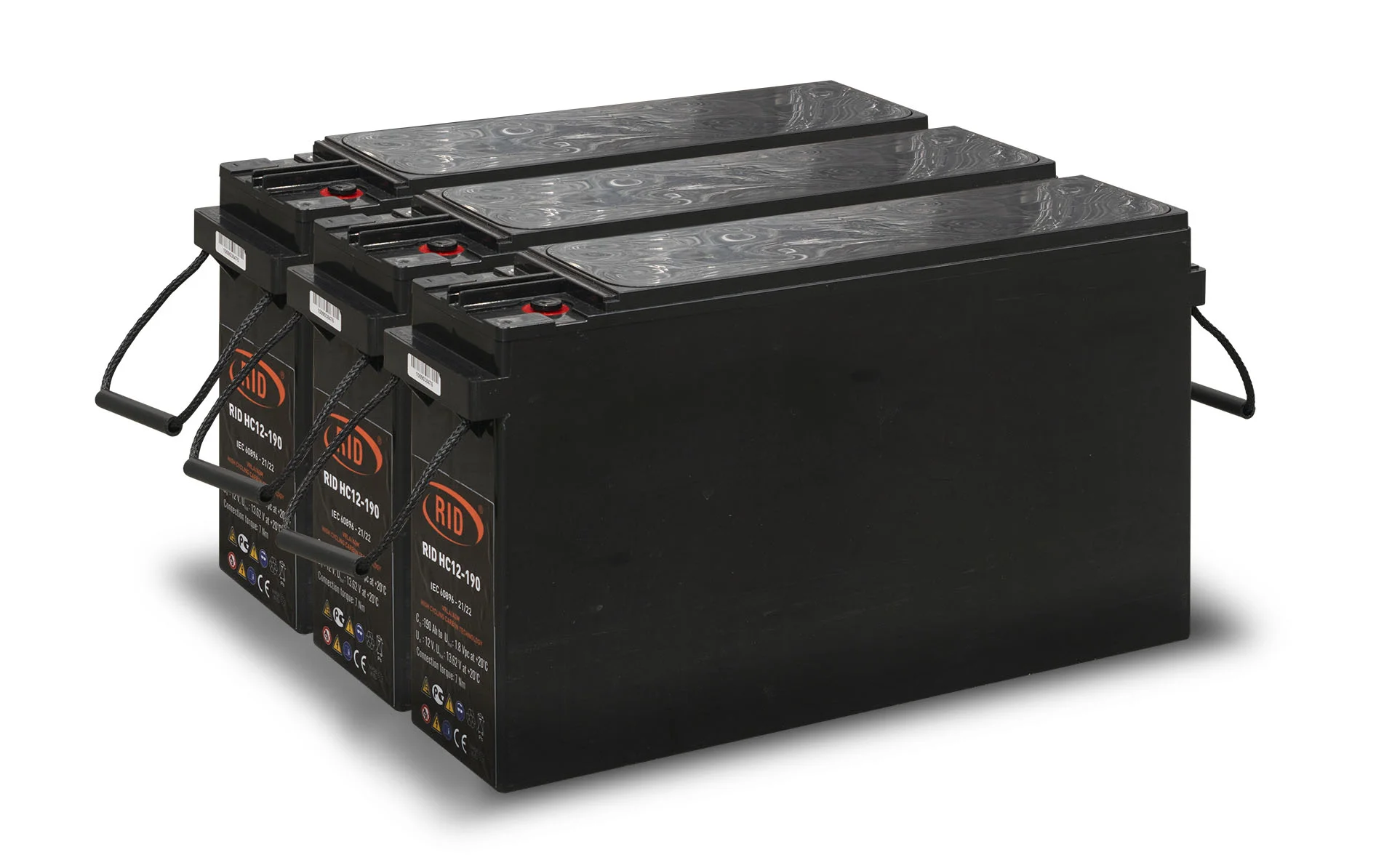
Як обрати правильний AGM акумулятор для системи живлення
Technologies |
2025-04-01 06:31:33
 Українська
 English

Every unpaid invoice tells two stories. The first is the one written in the ledger — an amount, a due date, a silence stretching past ninety days. The second story is quieter and rarely recorded: a supplier who overextended, a client whose own customers disappeared, a founder who kept promising Friday and meant it every time. A skilled debt collector learns to read both stories before picking up the phone, because the ledger tells you what is owed while the second story tells you how it might actually be recovered.
Singapore has built its commercial reputation on the assumption that agreements hold. Contracts here carry weight, courts move with precision, and the business culture prizes reliability the way other cities prize speed. Yet even in a market this disciplined, receivables age. Cash tightens across supply chains. A single delayed payment upstream ripples into three delayed payments downstream. This is where a professional Singapore debt collection service enters — not as an enforcer, but as a translator between what was promised and what is currently possible.
Popular imagination has done the profession no favors. Films gave us the intimidating figure at the door, and the caricature stuck. The reality inside a modern recovery firm looks closer to forensic accounting crossed with negotiation psychology.
Before any contact occurs, a case is dissected. When did the relationship begin? What did the original terms actually specify? Were goods delivered in full, or is there a quality dispute buried in an email thread nobody escalated? Has the debtor's business changed shape — new directors, relocated premises, a shift from healthy to strained? Roughly a third of stalled accounts are not refusals at all. They are administrative failures: an invoice sent to a departed employee's inbox, a purchase order number mismatched, a bank detail updated without notice.
Identifying that distinction early changes everything. A misdirected invoice is solved in an afternoon. A genuine cash shortage requires a structured arrangement. A deliberate evasion requires escalation. Treating all three the same way is the single most common reason internal collection efforts stall.
Singapore introduced licensing requirements for debt collection through the Debt Collection Act, and the framework reshaped the industry meaningfully. Licensed agencies operate under defined conduct standards. Harassment, intimidation, public shaming, and contact with uninvolved third parties fall outside acceptable practice.
Some assumed regulation would blunt effectiveness. The opposite proved true. Constraint forces competence. When pressure tactics are unavailable, agencies compete on research quality, negotiation skill, and documentation discipline. The result is a recovery process that produces cleaner outcomes and stronger evidence should litigation eventually become necessary.
For creditors, this matters directly. Engaging an unlicensed operator risks reputational damage that outlasts any sum recovered. Engaging a licensed one means the entire process withstands scrutiny.
Delay is expensive in ways that rarely appear on a balance sheet. Recovery probability declines sharply with age. Accounts pursued within the first quarter past due are recovered at meaningfully higher rates than those left to accumulate for a year. Debtors relocate. Companies restructure. Directors resign. Documentation gets archived, then lost.
There is also opportunity cost. A finance team spending fifteen hours monthly chasing four accounts is a finance team not building forecasts or negotiating better supplier terms. Outsourcing recovery frees internal capacity for work that generates value rather than merely retrieving it.
The most underestimated dimension of professional recovery is relationship preservation. Business communities in Singapore are dense and interconnected. Today's difficult debtor may be tomorrow's referral source, or a competitor's client, or a partner in an entirely different venture.
Experienced practitioners understand this. Their objective is settlement, not humiliation. A debtor who agrees to a payment schedule, honours it, and retains their dignity often becomes a functioning customer again. One who is publicly pressured disappears permanently — and speaks about the experience widely.
Not all agencies deserve equal consideration. Verify licensing without exception. Examine fee structures — contingency arrangements align interests, but the percentage must reflect realistic difficulty. Ask about reporting cadence; a firm unwilling to explain its process is a firm operating without one. Assess sector familiarity, because construction receivables behave nothing like retail or logistics receivables.
Above all, listen to how they describe debtors. Contempt in the initial conversation predicts contempt in the recovery attempt.
Singapore debt collection service is often framed as an ending — the last resort after goodwill has failed. It is more accurately a beginning: the point where a stalled situation regains motion. Money returns to circulation. Suppliers get paid. Payroll clears. Growth plans resume.
The right partner treats every file as a solvable problem rather than a moral verdict. That posture, more than any legal threat, is what turns aged receivables back into working capital.