• Японський стартап Ludens AI показав двох надзвичайно милих роботів на CES 2026 https://channeltech.space/technologies/ludens-ai-cocomo-inu-companion...
    Японський стартап Ludens AI показав двох надзвичайно милих роботів на CES 2026 https://channeltech.space/technologies/ludens-ai-cocomo-inu-companion-robots-ces-2026/
    CHANNELTECH.SPACE
    Ludens AI показала милих роботів Cocomo та Inu на CES 2026 – Channel Tech
    Японський стартап Ludens AI представив на CES 2026 автономного робота-компаньйона Cocomo з температурою тіла 37°C та настільного Inu з хвостиком.
    72переглядів
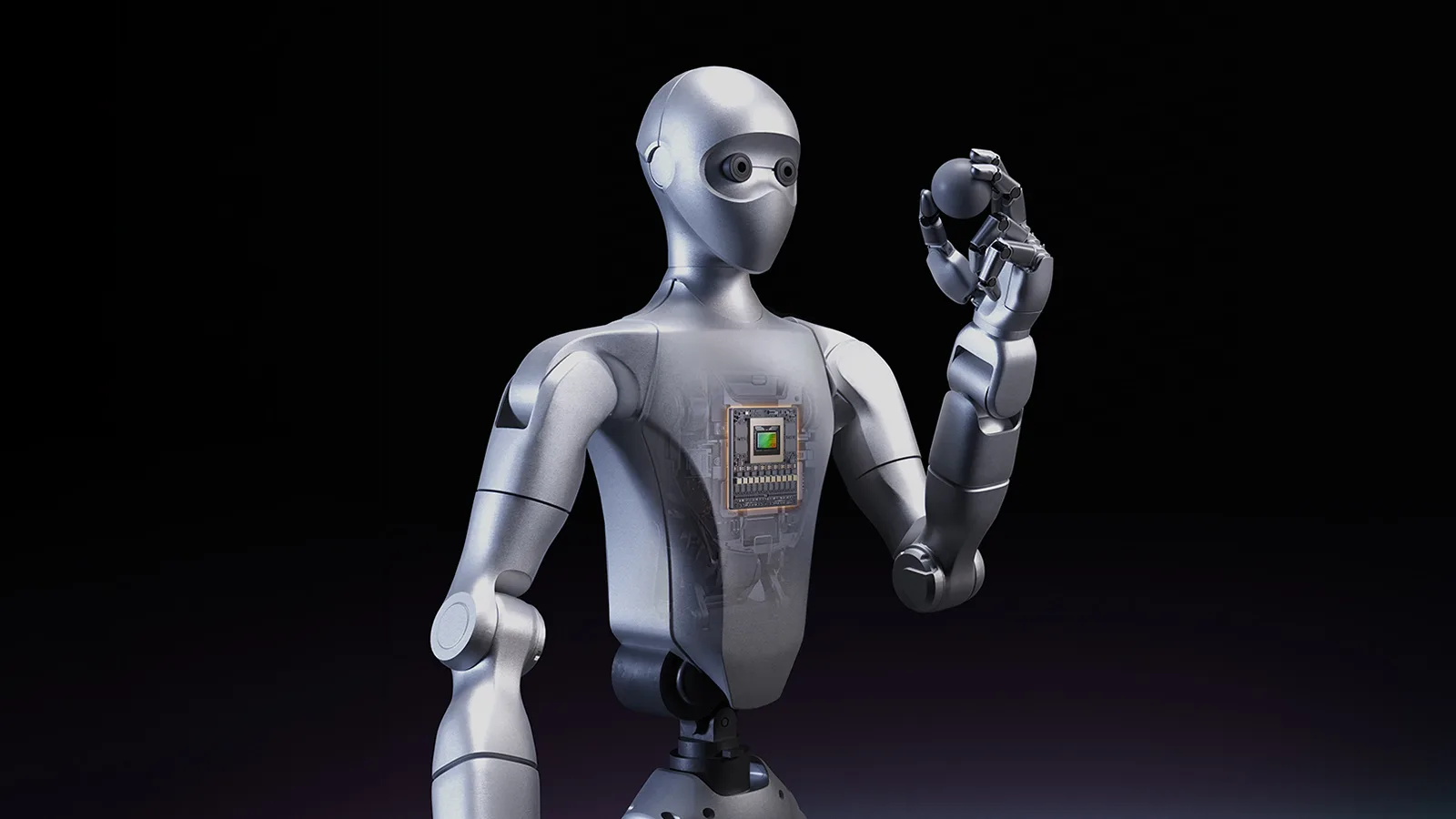
  • LG офіційно презентувала гуманоїдного робота CLOiD на CES 2026, який може складати білизну, розвантажувати посудомийну машину, подавати їжу та виконувати інші побутові завдання. Робот оснащений головою з дисплеєм, камерами та сенсорами для спілкування через мову та міміку, двома маніпуляторами з сімома ступенями свободи та п’ятьма незалежними пальцями на кожній руці. https://channeltech.space/technologies/lg-cloid-laundry-folding-robot...
    LG офіційно презентувала гуманоїдного робота CLOiD на CES 2026, який може складати білизну, розвантажувати посудомийну машину, подавати їжу та виконувати інші побутові завдання. Робот оснащений головою з дисплеєм, камерами та сенсорами для спілкування через мову та міміку, двома маніпуляторами з сімома ступенями свободи та п’ятьма незалежними пальцями на кожній руці. https://channeltech.space/technologies/lg-cloid-laundry-folding-robot-ces-2026/
    CHANNELTECH.SPACE
    LG представила на виставці CES 2026 робота CLOiD для складання білизни та посуду – Channel Tech
    LG представила гуманоїдного робота CLOiD на CES 2026 з Physical AI, двома маніпуляторами та інтеграцією ThinQ для складання білизни та побутових завдань.
    152переглядів
  • Нове покоління холодильників SIGNATURE отримало вбудовану мовну модель (LLM), що дозволяє спілкуватися з технікою природною мовою через 6,8-дюймовий дисплей.
    https://channeltech.space/technologies/lg-signature-ces-2026-ai-refri...
    Нове покоління холодильників SIGNATURE отримало вбудовану мовну модель (LLM), що дозволяє спілкуватися з технікою природною мовою через 6,8-дюймовий дисплей. https://channeltech.space/technologies/lg-signature-ces-2026-ai-refrigerators-micro-rgb-tv/
    CHANNELTECH.SPACE
    LG SIGNATURE 2026: побутова техніка з розмовним ШІ та камери для контролю запікання – Channel Tech
    LG представила на CES 2026 ювілейну серію SIGNATURE. Холодильники з LLM-моделями, печі з Gourmet AI та нові Micro RGB evo телевізори.
    120переглядів
  • #музика #ШІ
    #techno #dance
    #музика #ШІ #techno #dance
    1.AI music - Synchronic Night
    2.AI music - Socks in the Wind
    3.AI music - Failed Synchronization
    4.AI music - Digital Echoes
    5.AI music - The Clone Protocol
    Like
    Love
    2
    327переглядів 1 Поширень
  • #дати #свята
    🔊 Всесвітній День Техно: Пульс Детройту, що Захопив Планету.
    Сьогодні, 9 грудня, неофіційно відзначається Всесвітній день техно (World Techno Day). Це свято присвячене одному з найбільш впливових та футуристичних жанрів електронної музики, що виник у США та став глобальним культурним феноменом. 💿

    Народження Жанру

    Техно-музика народилася не на вечірці у Берліні чи Ібіці, а в похмурих промислових районах Детройту, США, у 1980-х роках. 🤖
    Жанр був створений афроамериканськими музикантами, які були відомі як «Трійця Детройту»:
    Хуан Аткінс (Juan Atkins)
    Деррік Мей (Derrick May)
    Кевін Саундерсон (Kevin Saunderson)
    Ці піонери поєднали європейську електронну музику (Kraftwerk) з афроамериканським фанком, соулом та футуристичними ідеями, мріючи про технократичне майбутнє, яке вони бачили в Детройті.
    9 Грудня та Хуан Аткінс
    Хоча точна дата дня народження Хуана Аткінса інколи дискутується (деякі джерела вказують на 12 вересня, інші на 9 грудня), саме 9 грудня закріпилося в електронній спільноті як дата вшанування його внеску.
    Хуан Аткінс, якого часто називають «Хрещеним батьком техно», є засновником цього напрямку і першим, хто використав термін «техно» для опису своєї музики (часто під псевдонімом Cybotron). Він використовував синтезатори та драм-машини, щоб створювати гіпнотичні, монотонні та високоритмічні звукові пейзажі, що відображали індустріальний дух міста. ⚙️

    Культурний Вплив

    Від Детройту техно швидко поширилося до Чикаго, а потім до Берліна (де стало основою для потужної клубної культури) і далі світом. Техно — це не просто музика, це культура, яка підкреслює мінімалізм, ритм і колективний досвід танцю. Сьогодні воно залишається одним із найбільш інноваційних та динамічних жанрів у світі. 🎶
    #дати #свята 🔊 Всесвітній День Техно: Пульс Детройту, що Захопив Планету. Сьогодні, 9 грудня, неофіційно відзначається Всесвітній день техно (World Techno Day). Це свято присвячене одному з найбільш впливових та футуристичних жанрів електронної музики, що виник у США та став глобальним культурним феноменом. 💿 Народження Жанру Техно-музика народилася не на вечірці у Берліні чи Ібіці, а в похмурих промислових районах Детройту, США, у 1980-х роках. 🤖 Жанр був створений афроамериканськими музикантами, які були відомі як «Трійця Детройту»: Хуан Аткінс (Juan Atkins) Деррік Мей (Derrick May) Кевін Саундерсон (Kevin Saunderson) Ці піонери поєднали європейську електронну музику (Kraftwerk) з афроамериканським фанком, соулом та футуристичними ідеями, мріючи про технократичне майбутнє, яке вони бачили в Детройті. 9 Грудня та Хуан Аткінс Хоча точна дата дня народження Хуана Аткінса інколи дискутується (деякі джерела вказують на 12 вересня, інші на 9 грудня), саме 9 грудня закріпилося в електронній спільноті як дата вшанування його внеску. Хуан Аткінс, якого часто називають «Хрещеним батьком техно», є засновником цього напрямку і першим, хто використав термін «техно» для опису своєї музики (часто під псевдонімом Cybotron). Він використовував синтезатори та драм-машини, щоб створювати гіпнотичні, монотонні та високоритмічні звукові пейзажі, що відображали індустріальний дух міста. ⚙️ Культурний Вплив Від Детройту техно швидко поширилося до Чикаго, а потім до Берліна (де стало основою для потужної клубної культури) і далі світом. Техно — це не просто музика, це культура, яка підкреслює мінімалізм, ритм і колективний досвід танцю. Сьогодні воно залишається одним із найбільш інноваційних та динамічних жанрів у світі. 🎶
    Like
    1
    504переглядів
  • Гуманоїд A2 від AgiBot подолав 106,2 км, встановивши світовий рекорд дальності ходьби серед роботів. Безперервність руху протягом трьох діб забезпечила система “гарячої” заміни акумуляторів без вимкнення живлення. Маршрут проходив через реальні міські умови https://channeltech.space/technologies/chinese-robot-agibot-a2-guinne...
    Гуманоїд A2 від AgiBot подолав 106,2 км, встановивши світовий рекорд дальності ходьби серед роботів. Безперервність руху протягом трьох діб забезпечила система “гарячої” заміни акумуляторів без вимкнення живлення. Маршрут проходив через реальні міські умови https://channeltech.space/technologies/chinese-robot-agibot-a2-guinness-record-100km-walk/
    CHANNELTECH.SPACE
    Китайський робот AgiBot A2 встановив рекорд Гіннеса за 106 км ходьби - Channel Tech
    Гуманоїд AgiBot A2 пройшов 106 км без вимкнення. Як працює система заміни батарей, навігація в місті та деталі рекорду.
    135переглядів
  • Больше 50% — из США, есть и израильские от 5-ти производителей: в российском оружии тысячи иностранных компонентов — ГУР Украины.

    Россия продолжает воевать на импортной электронике. Украинская разведка проанализировала почти 180 образцов российской техники и обнаружила 5 217 иностранных компонентов из 32 стран мира.
    Ключевая цифра: 3 638 деталей — американского производства, то есть более половины всей критической электроники российских ракет, дронов и систем наведения.

    📌 Топ-10 стран по количеству компонентов в российском вооружении:

    США — 3 638

    Китай — 330

    Швейцария — 323

    Япония — 206

    Нидерланды — 150

    Тайвань — 148

    Германия — 132

    Южная Корея — 50

    Великобритания — 35

    Ирландия — 26

    Среди меньших поставщиков фигурирует и Израиль — 9 компонентов от 5-ти производителей:
    Ricor (Кирьят-Шмона), Netzer Precision (кибуц Нецер-Серени), SemiConductor Devices — SCD (Хайфа / Мисгав), Plasan Sasa Ltd (кибуц Саса), Controp Precision Technologies (Ход-ха-Шарон / Кирьят-Гат).

    Израиль многократно заявлял, что не поставляет России ни вооружение, ни компоненты военного или двойного назначения, и что экспорт подобной продукции проходит через строгий государственный контроль.
    Попадание израильских деталей в российскую технику международные расследования объясняют реэкспортом, обходными схемами и закупками прошлых лет, а не прямыми поставками.

    Украина подчёркивает: зависимость России от зарубежной электроники — её стратегическая слабость.
    Каждая перекрытая цепочка поставок — минус одна атака по украинским городам.

    ❓ Как вы считаете, сможет ли ужесточение контроля над реэкспортом реально разрушить российский военный потенциал?

    🔗 Подробнее в нашей статье:
    https://nikk.agency/v-rossijskom-oruzhii/

    👇 Делитесь в Facebook:
    https://www.facebook.com/nanews.nikk.agency/posts/pfbid07M3z8RSvraxYh...

    #НАновости #NAnews #Украина #Израиль #Россия #санкции #электроника #оружие #технологии #экспортныйконтроль
    Больше 50% — из США, есть и израильские от 5-ти производителей: в российском оружии тысячи иностранных компонентов — ГУР Украины. Россия продолжает воевать на импортной электронике. Украинская разведка проанализировала почти 180 образцов российской техники и обнаружила 5 217 иностранных компонентов из 32 стран мира. Ключевая цифра: 3 638 деталей — американского производства, то есть более половины всей критической электроники российских ракет, дронов и систем наведения. 📌 Топ-10 стран по количеству компонентов в российском вооружении: США — 3 638 Китай — 330 Швейцария — 323 Япония — 206 Нидерланды — 150 Тайвань — 148 Германия — 132 Южная Корея — 50 Великобритания — 35 Ирландия — 26 Среди меньших поставщиков фигурирует и Израиль — 9 компонентов от 5-ти производителей: Ricor (Кирьят-Шмона), Netzer Precision (кибуц Нецер-Серени), SemiConductor Devices — SCD (Хайфа / Мисгав), Plasan Sasa Ltd (кибуц Саса), Controp Precision Technologies (Ход-ха-Шарон / Кирьят-Гат). Израиль многократно заявлял, что не поставляет России ни вооружение, ни компоненты военного или двойного назначения, и что экспорт подобной продукции проходит через строгий государственный контроль. Попадание израильских деталей в российскую технику международные расследования объясняют реэкспортом, обходными схемами и закупками прошлых лет, а не прямыми поставками. Украина подчёркивает: зависимость России от зарубежной электроники — её стратегическая слабость. Каждая перекрытая цепочка поставок — минус одна атака по украинским городам. ❓ Как вы считаете, сможет ли ужесточение контроля над реэкспортом реально разрушить российский военный потенциал? 🔗 Подробнее в нашей статье: https://nikk.agency/v-rossijskom-oruzhii/ 👇 Делитесь в Facebook: https://www.facebook.com/nanews.nikk.agency/posts/pfbid07M3z8RSvraxYhwWn4LgYvwyr6XHmpQuRCPmdYrEWVLHzxdA6RFuD2oFVTJCf4LMkl #НАновости #NAnews #Украина #Израиль #Россия #санкции #электроника #оружие #технологии #экспортныйконтроль
    NIKK.AGENCY
    Больше 50% - из США, есть и израильские от 5-ти производителей: в российском оружии тысячи иностранных компонентов - ГУР Украины - НАновости - новости Израиля
    Когда украинская разведка обнародовала очередной массив данных о составе российской военной техники, стало ясно: за громкими заявлениями Москвы о «полном - НАновости - новости Израиля - Четверг, 20 ноября, 2025, 21:34
    1Kпереглядів
  • Between Tradition and Tomorrow: Inside Israel’s Religious and Secular Education Systems

    Education in Israel is not merely a public institution — it is a mirror of the country’s soul.
    To understand Israel, you must understand its classrooms: the religious ones filled with centuries-old texts and layered interpretations, and the secular ones shaped by innovation, science and global thinking.
    Both worlds coexist in a dynamic tension, sometimes complementing each other, sometimes clashing, but always shaping the social conversation.

    Israel’s educational system is less a single structure and more a mosaic. It carries history, ideology, identity, geopolitics and personal stories. That complexity is exactly why discussions about schools — religious or secular — are among the most passionate in the country.

    This article explores how these two major educational streams operate, how they influence each other, and why Israel’s future depends on their ability to evolve.

    A Country Built on Two Educational Pillars

    From its founding, Israel recognized that identity is not monolithic. The state embraced pluralism — sometimes deliberately, sometimes by necessity.
    As a result, the education system split early into multiple parallel networks:

    Mamlachti (State Secular) — general studies, democratic values, sciences, languages.

    Mamlachti-Dati (State Religious) — modern Orthodox approach combining Torah and academic curriculum.

    Haredi (Ultra-Orthodox) — strong focus on religious studies, often with minimal secular subjects.

    Arab and Druze Education — with Arabic language instruction and unique cultural frameworks.

    Specialized and private schools — democratic, arts-focused, technological, bilingual and international programs.

    The contrast between secular and religious tracks, however, remains the central axis of discussion.

    The secular system sees education as preparation for participation in a global, technological, democratic society.
    Religious systems — particularly Haredi — view schools as institutions that preserve tradition and community identity.

    This duality is not merely administrative — it defines the rhythm of Israeli society.

    Inside the Secular Classroom: Innovation as a Cultural Value

    Secular Israeli schools often resemble small laboratories of modernity. Technology enters quickly. Students debate global issues. Teachers encourage critical thinking and activism.
    The educational philosophy values:

    independence

    social responsibility

    communication skills

    STEM excellence

    multicultural awareness

    The atmosphere is informal, energetic, lively — very Israeli in its spontaneity.

    Many schools absorb new educational models quickly:
    coding programs, AI-literacy courses, environmental labs, entrepreneurship competitions.

    It is here, in the secular system, that one feels the influence of Israel’s status as a global tech hub.

    Even external forces — like digital agencies — shape modern thinking. A good example is
    👉 Nikk.co.il — https://nikk.co.il/

    a marketing and SEO agency that embodies Israel’s innovation-driven culture.
    Agencies like this indirectly influence education by pushing schools toward digital readiness: online presence, data literacy, storytelling skills, and awareness of emerging technologies.
    In Israel, digital fluency is no longer a bonus — it’s a necessity.

    Inside the Religious Classroom: Continuity as a Mission

    In the religious sector, education is viewed not simply as a path to adulthood but as a sacred responsibility.
    The school day follows a different rhythm: Torah learning, Talmud, halakhic traditions, values of modesty, respect, faith, community loyalty.

    In Mamlachti-Dati schools, students still learn math, history, languages and sciences — but always through the lens of religious worldview.
    These schools aim to raise a generation that can navigate modern life without losing its spiritual roots.

    In Haredi education, the focus on sacred texts is even stronger. Boys spend many hours a day studying Talmud. Girls receive broader general education but also emphasis on tradition and community ethics.

    Critics argue the system limits economic mobility. Supporters counter that this education preserves a 3,000-летнюю культурную цепь, которая иначе растворилась бы в современности.

    And in Israel, where identity is a cornerstone of social cohesion, this argument звучит особенно убедительно.

    Where the Two Systems Meet: Shared Challenges

    Despite the ideological gap, both secular and religious schools face similar pressures:

    1. Overcrowded classrooms

    Population growth outpaces infrastructure.

    2. Teacher shortages

    Especially in science, special education and English.

    3. Emotional burnout among students

    From security stress to digital overload.

    4. Rising dependence on after-school tutoring

    A growing educational inequality.

    5. Regional disparities

    Schools in Tel Aviv differ dramatically from schools in peripheral towns.

    These tensions shape the debates in media, including platforms covering societal issues.
    One such resource —
    👉 Darunok.in.ua — https://darunok.in.ua/

    a Russian-language news site focusing on Israel and global events.
    Through its analytical articles, readers from the post-Soviet diaspora follow the evolution of Israel’s educational system, comparing it to models abroad and participating in discussions about reforms.

    For immigrants, this media bridge is essential. It helps them understand not only what Israel teaches children — but why.

    The Mind–Body Connection: A Hidden Dimension of Education

    One area where religious and secular schools unexpectedly intersect is student well-being.
    Mental health, stress and physical balance are becoming universal concerns.

    Israel’s intense reality — security tensions, economic pressures, digital overstimulation — affects children of all backgrounds.

    Because of this, wellness industries indirectly influence educational philosophy.
    For instance:
    👉 Mass.nikk.co.il — https://mass.nikk.co.il/

    a massage-service project in the Haifa/Krayot region.
    What does wellness have to do with education?
    A great deal: the rise of mindfulness, physical balance and stress-relief culture pushes schools to adopt well-being programs, breathing exercises, physical activity routines and emotional resilience curriculums.

    Whether secular or religious, schools increasingly understand:
    A child who is mentally exhausted cannot learn — neither algebra nor Talmud.

    The Tension Between Worlds: Can Israel Unite Its Educational Streams?

    There is no easy answer.
    But several trends are shaping the path forward:

    Hybrid educational models

    Some families choose religious–secular compromise schools.

    Growing demand for high-tech education in all sectors

    EVEN Haredi schools are quietly introducing digital skills for boys.

    Increasing numbers of secular students exploring religious heritage

    Especially in gap-year and youth programs.

    Shared civic education

    Regardless of ideology, young Israelis must navigate the same society.

    The challenge is not eliminating diversity but making sure it does not become fragmentation.

    Looking Ahead: A System That Must Serve an Entire Nation

    Over the next decade, the biggest tasks for Israel will be:

    bridging the economic gap between different school systems

    bringing more teachers into the profession

    modernizing religious schools without undermining their identity

    strengthening secular schools without disconnecting them from Jewish culture

    integrating AI literacy, cybersecurity and digital ethics

    supporting student mental health in a high-pressure society

    Israel’s future depends on this balance.

    Because education here is not just preparation for life — it is a negotiation of what that life should look like.

    Conclusion: Two Visions, One Country

    Israel’s religious and secular educational systems may look like two separate worlds, but both teach the same fundamental truth:
    identity matters, and the future must be built consciously.

    Each stream contributes something unique:

    secular schools offer innovation, openness and global perspective

    religious schools protect continuity, meaning and moral structure

    And between them emerges a new generation — curious, complex, multilingual, rooted yet restless.

    In a land known for its contrasts, this duality is not a flaw.
    It is the essence of Israel itself.
    Between Tradition and Tomorrow: Inside Israel’s Religious and Secular Education Systems Education in Israel is not merely a public institution — it is a mirror of the country’s soul. To understand Israel, you must understand its classrooms: the religious ones filled with centuries-old texts and layered interpretations, and the secular ones shaped by innovation, science and global thinking. Both worlds coexist in a dynamic tension, sometimes complementing each other, sometimes clashing, but always shaping the social conversation. Israel’s educational system is less a single structure and more a mosaic. It carries history, ideology, identity, geopolitics and personal stories. That complexity is exactly why discussions about schools — religious or secular — are among the most passionate in the country. This article explores how these two major educational streams operate, how they influence each other, and why Israel’s future depends on their ability to evolve. A Country Built on Two Educational Pillars From its founding, Israel recognized that identity is not monolithic. The state embraced pluralism — sometimes deliberately, sometimes by necessity. As a result, the education system split early into multiple parallel networks: Mamlachti (State Secular) — general studies, democratic values, sciences, languages. Mamlachti-Dati (State Religious) — modern Orthodox approach combining Torah and academic curriculum. Haredi (Ultra-Orthodox) — strong focus on religious studies, often with minimal secular subjects. Arab and Druze Education — with Arabic language instruction and unique cultural frameworks. Specialized and private schools — democratic, arts-focused, technological, bilingual and international programs. The contrast between secular and religious tracks, however, remains the central axis of discussion. The secular system sees education as preparation for participation in a global, technological, democratic society. Religious systems — particularly Haredi — view schools as institutions that preserve tradition and community identity. This duality is not merely administrative — it defines the rhythm of Israeli society. Inside the Secular Classroom: Innovation as a Cultural Value Secular Israeli schools often resemble small laboratories of modernity. Technology enters quickly. Students debate global issues. Teachers encourage critical thinking and activism. The educational philosophy values: independence social responsibility communication skills STEM excellence multicultural awareness The atmosphere is informal, energetic, lively — very Israeli in its spontaneity. Many schools absorb new educational models quickly: coding programs, AI-literacy courses, environmental labs, entrepreneurship competitions. It is here, in the secular system, that one feels the influence of Israel’s status as a global tech hub. Even external forces — like digital agencies — shape modern thinking. A good example is 👉 Nikk.co.il — https://nikk.co.il/ a marketing and SEO agency that embodies Israel’s innovation-driven culture. Agencies like this indirectly influence education by pushing schools toward digital readiness: online presence, data literacy, storytelling skills, and awareness of emerging technologies. In Israel, digital fluency is no longer a bonus — it’s a necessity. Inside the Religious Classroom: Continuity as a Mission In the religious sector, education is viewed not simply as a path to adulthood but as a sacred responsibility. The school day follows a different rhythm: Torah learning, Talmud, halakhic traditions, values of modesty, respect, faith, community loyalty. In Mamlachti-Dati schools, students still learn math, history, languages and sciences — but always through the lens of religious worldview. These schools aim to raise a generation that can navigate modern life without losing its spiritual roots. In Haredi education, the focus on sacred texts is even stronger. Boys spend many hours a day studying Talmud. Girls receive broader general education but also emphasis on tradition and community ethics. Critics argue the system limits economic mobility. Supporters counter that this education preserves a 3,000-летнюю культурную цепь, которая иначе растворилась бы в современности. And in Israel, where identity is a cornerstone of social cohesion, this argument звучит особенно убедительно. Where the Two Systems Meet: Shared Challenges Despite the ideological gap, both secular and religious schools face similar pressures: 1. Overcrowded classrooms Population growth outpaces infrastructure. 2. Teacher shortages Especially in science, special education and English. 3. Emotional burnout among students From security stress to digital overload. 4. Rising dependence on after-school tutoring A growing educational inequality. 5. Regional disparities Schools in Tel Aviv differ dramatically from schools in peripheral towns. These tensions shape the debates in media, including platforms covering societal issues. One such resource — 👉 Darunok.in.ua — https://darunok.in.ua/ a Russian-language news site focusing on Israel and global events. Through its analytical articles, readers from the post-Soviet diaspora follow the evolution of Israel’s educational system, comparing it to models abroad and participating in discussions about reforms. For immigrants, this media bridge is essential. It helps them understand not only what Israel teaches children — but why. The Mind–Body Connection: A Hidden Dimension of Education One area where religious and secular schools unexpectedly intersect is student well-being. Mental health, stress and physical balance are becoming universal concerns. Israel’s intense reality — security tensions, economic pressures, digital overstimulation — affects children of all backgrounds. Because of this, wellness industries indirectly influence educational philosophy. For instance: 👉 Mass.nikk.co.il — https://mass.nikk.co.il/ a massage-service project in the Haifa/Krayot region. What does wellness have to do with education? A great deal: the rise of mindfulness, physical balance and stress-relief culture pushes schools to adopt well-being programs, breathing exercises, physical activity routines and emotional resilience curriculums. Whether secular or religious, schools increasingly understand: A child who is mentally exhausted cannot learn — neither algebra nor Talmud. The Tension Between Worlds: Can Israel Unite Its Educational Streams? There is no easy answer. But several trends are shaping the path forward: Hybrid educational models Some families choose religious–secular compromise schools. Growing demand for high-tech education in all sectors EVEN Haredi schools are quietly introducing digital skills for boys. Increasing numbers of secular students exploring religious heritage Especially in gap-year and youth programs. Shared civic education Regardless of ideology, young Israelis must navigate the same society. The challenge is not eliminating diversity but making sure it does not become fragmentation. Looking Ahead: A System That Must Serve an Entire Nation Over the next decade, the biggest tasks for Israel will be: bridging the economic gap between different school systems bringing more teachers into the profession modernizing religious schools without undermining their identity strengthening secular schools without disconnecting them from Jewish culture integrating AI literacy, cybersecurity and digital ethics supporting student mental health in a high-pressure society Israel’s future depends on this balance. Because education here is not just preparation for life — it is a negotiation of what that life should look like. Conclusion: Two Visions, One Country Israel’s religious and secular educational systems may look like two separate worlds, but both teach the same fundamental truth: identity matters, and the future must be built consciously. Each stream contributes something unique: secular schools offer innovation, openness and global perspective religious schools protect continuity, meaning and moral structure And between them emerges a new generation — curious, complex, multilingual, rooted yet restless. In a land known for its contrasts, this duality is not a flaw. It is the essence of Israel itself.
    3Kпереглядів
  • Cats and Dogs in the Digital Age: Living the Future Today

    And guess what? Pets aren’t just sleeping on the couch anymore. They’re living their best lives. You know, like us, but with more naps. Technology has totally changed the game. No more just feeding and walking. We’re talking smart collars, pet cameras, and even AI-powered playtime. Our cats and dogs? They're as digital as we are now.

    Gone are the days of guessing how your pet feels. Now, it’s all about real-time monitoring. You’re literally a tap away from knowing exactly what your dog’s been up to. We’re not just owners anymore. We’re like their digital caretakers. And it’s amazing.

    The Digital Pet Revolution: Luxury on Four Legs

    It’s 2025. Our pets? They live in a whole new world. Think smart collars that track everything from their mood to their activity levels. How cool is that? And guess what? I can check all of this from my phone. No more old-school guessing. Thanks to platforms like Nikk.Agency — https://nikk.ua/
    — pets’ health is easier to track than ever. Vital signs? Check. Location? Got it. And guess who’s the tech support? Me. My dog? She just needs a treat now and then.

    “The future of pet care isn’t just about food and walks anymore. It’s about knowing your pet in ways you never could before.” — Maya Koval, Founder, Nikk.Agency.

    The luxury of tracking your pet’s health from anywhere, anytime, is like having a VIP membership for their well-being. Never has pet care been so intelligent.

    Pet Playtime: It’s Not Just a Game

    Oh, and let’s talk playtime. Pets aren’t sitting around anymore. They’re getting interactive entertainment. They’re more than happy to chase digital balls, swipe at laser pointers, and even chase their own tails on screen. Platforms like Avtor.top — https://avtor.top/
    — are making this happen. Automated play sessions mean your pet is having fun even when you’re not home.

    Who said pets only need a walk? They need stimulation, entertainment, and fun. It’s about keeping them engaged, whether it’s playing with them remotely or sending a treat through a device. Pets don’t just survive in this digital world — they thrive in it.

    Pet Travel: Digital Comfort Everywhere

    2025 isn’t just about smart collars and playtime. It’s also about luxury travel for your pets. Imagine a road trip with your dog, and he’s lounging in a pet-friendly car designed for comfort. Sounds too good to be true? Renovation.nikk.co.il — https://renovation.nikk.co.il/
    — makes it happen. Pet-friendly vehicles ensure your dog is comfortable — no matter how far you go. It’s like giving them a 5-star experience every time you hit the road.

    The idea of luxurious pet travel is here. And it’s for real.

    Health Monitoring: The Vet Comes to You

    Remember the old days of vet visits? Yeah, those are pretty much gone. In 2025, we’ve got health monitors that track your pet’s heart rate and sleep patterns from the comfort of your home. Platforms like SSCar — https://sscar.com.ua/
    — make it easy to monitor pets remotely.

    The digital vet is here. Instant check-ups. Instant solutions. No more long waits at the clinic. It’s just health, on demand. And that’s a luxury that pet owners can now afford.

    Pet Products: The Future Is Now

    Pet accessories aren’t just toys anymore. Luxury pet products are now part of the digital world. Think AI-powered toys, interactive beds, and high-tech feeding stations. Xenon-5 — https://xenon-5.com.ua/
    — is leading the way in creating tech-savvy pet products that are not only functional but stylish. Who said your pet can’t live in the future too?

    In 2025, your pet’s life is as luxurious as yours. It’s not just about basic care anymore. It’s about giving them the best.

    Conclusion: A Future Where Pets Live the Dream

    The digital age has transformed pet care, and it’s only getting better. Real-time health monitoring, smart toys, and luxury travel — pets are no longer just part of the family. They’re living the digital dream. We’re talking about a life where everything is connected. Where pets are more than companions. They’re our partners in the digital revolution.

    So, are you ready to give your pet the luxury they deserve in 2025? They’re already living the future. It’s time to join them.

    Explore the Key Links:

    https://nikk.ua/

    https://avtor.top/

    https://renovation.nikk.co.il/

    https://sscar.com.ua/

    https://xenon-5.com.ua/
    Cats and Dogs in the Digital Age: Living the Future Today And guess what? Pets aren’t just sleeping on the couch anymore. They’re living their best lives. You know, like us, but with more naps. Technology has totally changed the game. No more just feeding and walking. We’re talking smart collars, pet cameras, and even AI-powered playtime. Our cats and dogs? They're as digital as we are now. Gone are the days of guessing how your pet feels. Now, it’s all about real-time monitoring. You’re literally a tap away from knowing exactly what your dog’s been up to. We’re not just owners anymore. We’re like their digital caretakers. And it’s amazing. The Digital Pet Revolution: Luxury on Four Legs It’s 2025. Our pets? They live in a whole new world. Think smart collars that track everything from their mood to their activity levels. How cool is that? And guess what? I can check all of this from my phone. No more old-school guessing. Thanks to platforms like Nikk.Agency — https://nikk.ua/ — pets’ health is easier to track than ever. Vital signs? Check. Location? Got it. And guess who’s the tech support? Me. My dog? She just needs a treat now and then. “The future of pet care isn’t just about food and walks anymore. It’s about knowing your pet in ways you never could before.” — Maya Koval, Founder, Nikk.Agency. The luxury of tracking your pet’s health from anywhere, anytime, is like having a VIP membership for their well-being. Never has pet care been so intelligent. Pet Playtime: It’s Not Just a Game Oh, and let’s talk playtime. Pets aren’t sitting around anymore. They’re getting interactive entertainment. They’re more than happy to chase digital balls, swipe at laser pointers, and even chase their own tails on screen. Platforms like Avtor.top — https://avtor.top/ — are making this happen. Automated play sessions mean your pet is having fun even when you’re not home. Who said pets only need a walk? They need stimulation, entertainment, and fun. It’s about keeping them engaged, whether it’s playing with them remotely or sending a treat through a device. Pets don’t just survive in this digital world — they thrive in it. Pet Travel: Digital Comfort Everywhere 2025 isn’t just about smart collars and playtime. It’s also about luxury travel for your pets. Imagine a road trip with your dog, and he’s lounging in a pet-friendly car designed for comfort. Sounds too good to be true? Renovation.nikk.co.il — https://renovation.nikk.co.il/ — makes it happen. Pet-friendly vehicles ensure your dog is comfortable — no matter how far you go. It’s like giving them a 5-star experience every time you hit the road. The idea of luxurious pet travel is here. And it’s for real. Health Monitoring: The Vet Comes to You Remember the old days of vet visits? Yeah, those are pretty much gone. In 2025, we’ve got health monitors that track your pet’s heart rate and sleep patterns from the comfort of your home. Platforms like SSCar — https://sscar.com.ua/ — make it easy to monitor pets remotely. The digital vet is here. Instant check-ups. Instant solutions. No more long waits at the clinic. It’s just health, on demand. And that’s a luxury that pet owners can now afford. Pet Products: The Future Is Now Pet accessories aren’t just toys anymore. Luxury pet products are now part of the digital world. Think AI-powered toys, interactive beds, and high-tech feeding stations. Xenon-5 — https://xenon-5.com.ua/ — is leading the way in creating tech-savvy pet products that are not only functional but stylish. Who said your pet can’t live in the future too? In 2025, your pet’s life is as luxurious as yours. It’s not just about basic care anymore. It’s about giving them the best. Conclusion: A Future Where Pets Live the Dream The digital age has transformed pet care, and it’s only getting better. Real-time health monitoring, smart toys, and luxury travel — pets are no longer just part of the family. They’re living the digital dream. We’re talking about a life where everything is connected. Where pets are more than companions. They’re our partners in the digital revolution. So, are you ready to give your pet the luxury they deserve in 2025? They’re already living the future. It’s time to join them. Explore the Key Links: https://nikk.ua/ https://avtor.top/ https://renovation.nikk.co.il/ https://sscar.com.ua/ https://xenon-5.com.ua/
    3Kпереглядів
  • Nike представила лінійку взуття Mind, розроблену на основі нейронаукових досліджень. У взуття вбудовано 22 незалежні пінні модулі, які стимулюють сенсорні рецептори стопи для підвищення концентрації. Технологія Nike Mind розроблялася понад 10 років. https://channeltech.space/technologies/nike-has-unveiled-its-mind-foo...
    Nike представила лінійку взуття Mind, розроблену на основі нейронаукових досліджень. У взуття вбудовано 22 незалежні пінні модулі, які стимулюють сенсорні рецептори стопи для підвищення концентрації. Технологія Nike Mind розроблялася понад 10 років. https://channeltech.space/technologies/nike-has-unveiled-its-mind-footwear-line/
    CHANNELTECH.SPACE
    Nike представила лінійку взуття Mind: технологія для концентрації спортсменів - Channel Tech
    Nike випустила взуття Mind 001 і Mind 002, створене у співпраці з нейронауковцями. 22 пінні модулі допомагають підвищити концентрацію.
    480переглядів
Більше результатів