КОЛИ НАСПРАВДІ ВЕЛИКДЕНЬ?!
Religion |
2026-04-04 14:30:33
 Українська
 English
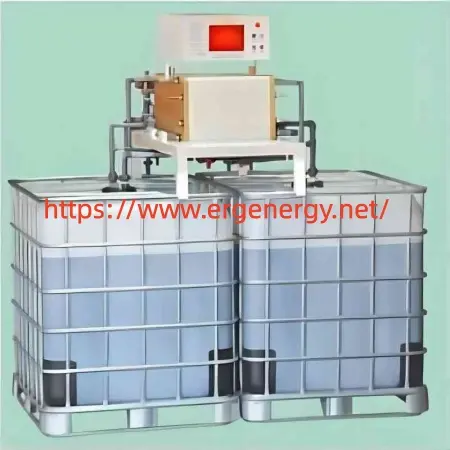
Bulk Vanadium Electrolyte For Energy Storage performance depends on several connected factors rather than a single specification. Concentration, chemical composition, temperature, purity, state of charge, viscosity, conductivity, and operating conditions can all influence how electrolyte behaves inside a vanadium redox flow battery. For buyers and project developers, understanding these variables can make supplier evaluation more practical and help connect material specifications with the requirements of a real installation. Research has shown that vanadium concentration, sulfuric acid concentration, temperature, and electrolyte state of charge can influence stability and electrochemical behavior.
Concentration is an important starting point. A higher vanadium concentration can increase the amount of active material available within a given volume, but concentration cannot be considered separately from chemical stability. Different vanadium species can behave differently as temperature and solution composition change. This means buyers should review the stated concentration together with the supporting electrolyte composition and intended operating conditions.
Temperature is another major variable. Changes in temperature can influence viscosity and conductivity, while different vanadium oxidation states can have different stability characteristics. Research on vanadium flow battery electrolyte has shown that temperature variation can affect both physical properties and electrochemical behavior. Under certain conditions, some vanadium species may become more vulnerable to precipitation.
For project planning, this makes the expected site environment an important part of material selection. A facility located in a region with substantial seasonal temperature changes may require different thermal management and operating considerations from a controlled indoor installation. Buyers should discuss the expected ambient range with the supplier and confirm how the proposed formulation is intended to perform under those conditions.
Chemical balance also deserves close attention. Vanadium concentration and acid concentration interact with each other, so adjusting one component can affect the behavior of the overall solution. Studies examining different vanadium and sulfuric acid concentrations have found that composition can influence thermal stability across a range of operating temperatures.
Purity is another consideration that should not be overlooked. Trace impurities can influence conductivity, viscosity, stability, and electrochemical behavior. Research examining sodium impurities in vanadium flow battery electrolyte found that increased sodium concentration was associated with changes in viscosity and conductivity, while higher impurity levels could affect electrolyte stability. For commercial procurement, buyers can therefore ask about raw material controls, analytical testing, impurity limits, and batch inspection procedures.
State of charge can also affect chemical behavior. The ratio between different vanadium oxidation states changes during charging and discharging, meaning the solution does not remain chemically identical throughout operation. Research has found that adjusting state of charge can influence electrolyte stability, conductivity, viscosity, and electrochemical activity. This is relevant when evaluating how a formulation may behave during repeated operating cycles.
Viscosity is another practical factor. If a solution becomes more viscous under certain conditions, pumping requirements can change. Flow characteristics can affect circulation equipment, hydraulic design, and overall system operation. Buyers should therefore consider electrolyte properties together with pump selection, flow rate, temperature management, and stack requirements rather than evaluating the liquid independently.
Storage and transportation conditions should also be discussed when purchasing larger quantities. Packaging needs to suit the chemical characteristics of the material, while handling procedures should be established before delivery. Buyers can ask suppliers about recommended storage temperatures, container specifications, shelf life, transportation arrangements, and inspection procedures after delivery.
Consistency between batches is particularly important for projects using significant quantities of electrolyte. Differences in concentration or impurity levels can create additional work during commissioning or system balancing. A manufacturer with defined production and testing procedures can provide useful documentation for each shipment, allowing project teams to compare measured characteristics against agreed specifications.
Compatibility should be considered as well. The electrolyte needs to work with the selected stack, membrane, electrode materials, pumps, piping, tanks, and other components. A formulation suitable for one system architecture may not automatically be appropriate for another configuration. Buyers should provide the manufacturer with relevant technical parameters before finalizing the material specification.
Ergenergy provides vanadium flow battery related products and energy storage solutions, with product offerings covering flow battery stacks, energy storage systems, battery components, and laboratory single cell batteries. This range allows customers to discuss electrolyte requirements alongside broader system considerations instead of treating the material as an isolated purchase.
Long term operation also makes monitoring important. Operators can track temperature, flow conditions, charge state, voltage behavior, and other operating parameters to identify changes over time. Regular monitoring can provide useful information when evaluating whether electrolyte condition remains within the intended operating range.
For manufacturers and project developers, supplier communication can make a significant difference during procurement. Useful questions include how concentration is measured, which impurities are controlled, what testing is performed, how batches are documented, and which operating conditions were considered during formulation. These questions can help buyers compare suppliers using measurable criteria rather than relying only on general product descriptions.
Cost should also be viewed alongside material characteristics. Concentration, transportation volume, packaging, storage requirements, testing, and replenishment arrangements can all influence project economics. A suitable purchasing decision should balance material specifications with the actual operating requirements of the installation.
As interest in vanadium redox flow batteries continues to develop, electrolyte chemistry remains an important area for engineering and project planning. Research continues to examine formulation, temperature adaptability, additives, concentration, and long term stability because these factors can influence practical operation.
For customers evaluating vanadium electrolyte and related flow battery solutions, Ergenergy provides product information and application resources through its official website at https://www.ergenergy.net/