Пісня на вірш Володимира Сосюри "Любіть Україну"
Музика |
2025-08-01 09:32:54
 Українська
 English
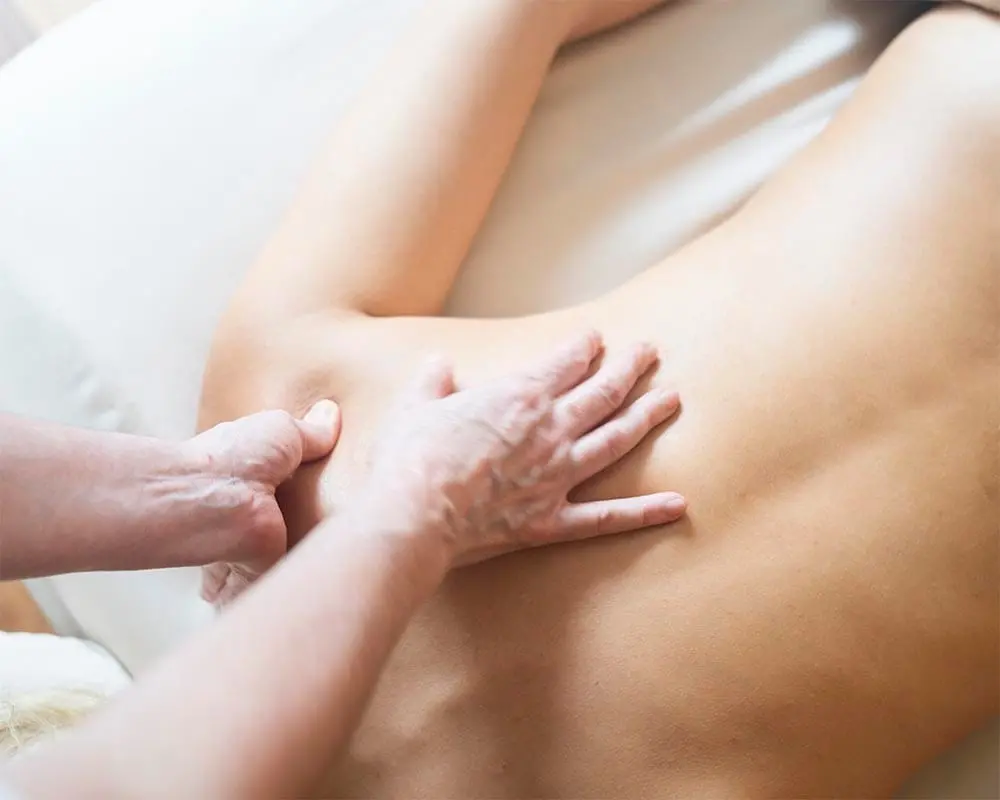
There's a particular kind of quiet that settles over a room when two people stop talking and simply breathe. Not the awkward silence of a stalled conversation, but the loose, unhurried stillness that comes when nobody has anywhere else to be. That's the atmosphere a good couples massage Santa Rosa session creates — and it's harder to come by than most people realize.
Modern relationships run on logistics. Who's picking up groceries, whose turn it is to handle the vet appointment, when the car needs its inspection. Even people who genuinely enjoy each other's company can go weeks without a stretch of time that isn't spoken for.
A shared massage appointment interrupts that pattern. You arrive together, you're in the same room, and for the next sixty or ninety minutes there is nothing on the agenda except lying still while someone competent works on the knots you've been ignoring since spring. No phones. No dishes in the sink calling your name. Just two tables, dim light, and the sound of your own slowed breathing.
Santa Rosa happens to be well-suited to this. The city sits in the heart of Sonoma County, surrounded by vineyards and redwood groves, which means a spa visit slots neatly into a broader day of wandering. Morning massage, afternoon tasting room, dinner somewhere on Fourth Street. It's an easy itinerary to build.
The format is simple. Two tables, two therapists, one room. You and your partner receive individual sessions simultaneously, each tailored to what your body needs — which is often quite different from what your partner's body needs.
This is worth emphasizing, because couples sometimes assume they should book identical treatments. There's no requirement to match. One person might want firm, focused work on a chronically tight lower back. The other might prefer something gentler that prioritizes relaxation over correction. Good therapists accommodate both without the session feeling disjointed.
Before anything begins, expect a brief intake conversation. Where does it hurt? What kind of work do you do? Any injuries, surgeries, or areas to avoid? Be honest here. Therapists aren't judging your posture or your gym habits — they're gathering information so they can be useful.
Several approaches are commonly offered, and understanding the differences helps you book intelligently.
Massage therapy in its classic Swedish form uses long, flowing strokes and moderate pressure to encourage circulation and calm the nervous system. It's the sensible default for anyone who's never had bodywork done, or for anyone whose primary goal is unwinding rather than fixing a specific problem. The rhythm is steady and predictable, and most people find themselves drifting somewhere between waking and sleeping.
Deep tissue massage operates differently. The therapist works slowly through the outer muscle layers to reach the connective tissue underneath, targeting adhesions and long-held tension. It's the appropriate choice for desk workers with locked-up shoulders, cyclists with tight hip flexors, or anyone carrying a stubborn ache that stretching hasn't resolved. It can be intense — productive intensity, not pain — and communicating about pressure throughout is expected rather than rude.
Foot reflexology takes a narrower focus with surprisingly broad effects. The practice works from specific points on the feet that correspond to systems elsewhere in the body. Whether or not you find the underlying theory persuasive, the practical result is difficult to argue with: deep, thorough attention to feet that spend all day compressed inside shoes and absorbing impact. Many people report it as the most unexpectedly restorative treatment they've tried.
Book ahead. Couples rooms are limited by definition — a spa might have several treatment rooms but only one or two configured for two tables. Weekends and holidays fill quickly, and Valentine's Day is essentially spoken for by January.
Arrive with margin. Fifteen minutes early gives you time to change, use the restroom, and let your heart rate settle before the session starts. Sprinting in from the parking lot undermines the first ten minutes of work.
Hydrate afterward. Massage moves fluid through tissue, and water helps your system process it. Skip the wine tasting immediately after a deep session — give it an hour.
The physical benefits are real: reduced tension, improved circulation, better sleep that night. But the durable value is subtler. You spent time together in an unproductive, unstructured way, which is something couples do less and less as life accumulates obligations.