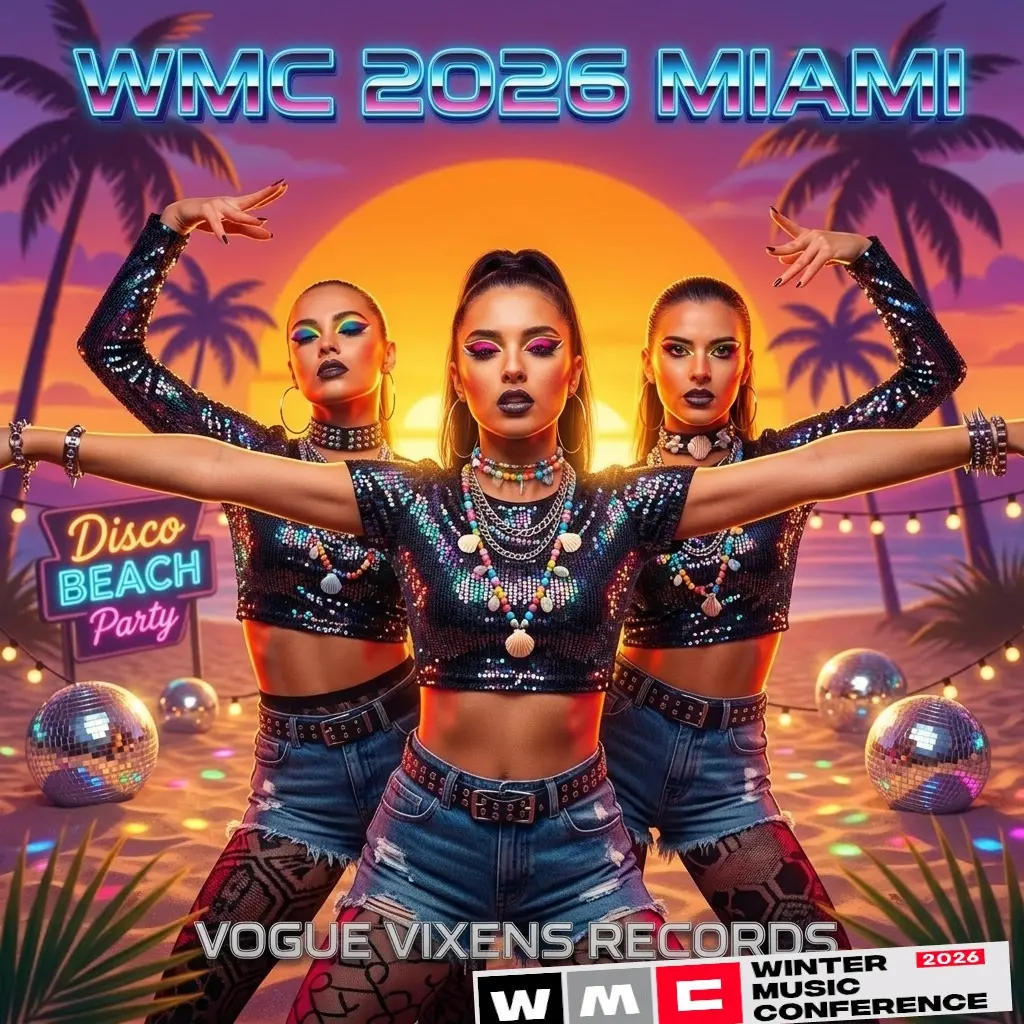
• wmc 2026 MIAMI
    https://voguevixensrec.blogspot.com/2026/03/wmc-2026-miami-vogue-vixe...
    Armin van Buuren, Glockenbach - Sun Shines On Me (Dj.A-Bor, Lunar Nova Rmx)
    Claptone ft Raphaella - Phantasy (Murchikk & D!scoman, Lunar Nova Rmx)
    Cri, Nicky Elisabeth - This Is Our Life (Lunar Nova, Dj.A-Bor Remix)
    David Di Sabato - Mythos (Lunar Nova, Dj.A-Bor Re-Edit)
    David Guetta, Teddy Swims, Tones and I - Gone Gone Gone (Murchikk & D!scoman, Lunar Nova Rmx)
    DJ Jon, Whitney Breanne - Feel Alive (Murchikk & D!scoman Rmx)
    Dj.A-Bor - I Feel Your Love Tonight (Original Mix)
    Ewan McVicar - Share The House (Dj.A-Bor, Lunar Nova Rmx)
    Ferreck Dawn - Serious (Dj.A-Bor M-up Club Remix)
    Gwen Stefani - Shake The Snow Globe (Murchikk & D!scoman, Lunar Nova Rmx)
    Josh Baker feat. Sienna Sophia - Come Closer (Lunar Nova, Dj.A-Bor Rmx)
    Kylie Minogue - Hot in December (Murchikk & D!scoman, Lunar Nova XMAS Rmx)
    LAUD - LIGHTKEEPER (MURCHIKK & D!SCOMAN RMX)
    Leleka - Ridnym (Dj.A-Bor, Murchikk & D!scoman Rmx)
    MamaRika - Love Yourself (Dj.A-Bor, Lunar Nova Club Rmx)
    Milky - Just the Way You Are (Murchikk & D!scoman Rmx)
    Moony - Dove (I'll Be Loving You) (Murchikk & D!scoman, Solee 2026 Bootleg)
    Paul van Dyk - When I Found You (Dj.A-Bor, Lunar Nova House Rmx)
    RAYE - Where Is My Husband (Murchikk & D!scoman, Lunar Nova Rmx)
    Wham! - Last Christmas (Murchikk & D!scoman 2026 Rmx)

    Miami Heat & Sonic Chic: The Vocal House Aesthetic by Vogue Vixens at WMC 2026
    If you weren't in Miami this March, do you even exist in the musical universe? While the Florida sun scorched the asphalt of Ocean Drive, Vogue Vixens Records triggered a true tectonic shift at the Winter Music Conference 2026. This wasn’t just a party—it was the inauguration of a new era, where high fashion meets an uncompromising, sun-drenched beat.

    A Manifesto of Bohemian Summer
    This year’s showcase from Vogue Vixens is a soundtrack that smells of sea salt, expensive sunblock, and absolute serenity. The label deliberately moved away from complex experimentation in favor of Melodic & Vocal House in its purest, most refined form.

    "We aren’t here to follow trends. We create the vibrations that make the catwalks tremble," declare the label’s residents, and every track serves as proof.

    Sound Philosophy: Who Is This Release For?
    This music is crafted for those who embrace the Quiet Luxury aesthetic and value quality in everything—from the vocal arrangement to the cut of a linen shirt.

    For Connoisseurs of Iconic Vocals: From Kylie Minogue to Gwen Stefani—familiar voices resonate in a high-octane House reimagining by Murchikk & D!scoman, Dj.A-Bor, and Lunar Nova.

    For Coastal Dwellers: For those whose morning begins on the deck of a yacht drifting along Miami Beach.

    For Musical Aesthetes: For those seeking classic House piano riffs that harmonize perfectly with the sound of the surf.

    Energy in Motion: From Sport to Soirée
    The WMC 2026 selection from Vogue Vixens is the ultimate "doping" for both body and soul. Thanks to its crisp rhythm and melodic flow, these tracks are the perfect companion for an active lifestyle:

    High-End Fitness & Active Life
    The label’s rhythmic house provides the ideal BPM for your performance:

    Running & Rollerblading: Tracks like "Feel Alive" or "Share The House" set the perfect pace for long stretches along the oceanfront.

    Cycling: Music that adds a dynamic edge to every movement, turning a routine ride into a cinematic experience.

    Swimming & Aqua Aerobics: The bright, transparent sound resonates perfectly with the element of water.

    Day-to-Night Transition
    Beach Club Vibe: For when the sun begins to dip and a glass of champagne becomes the essential accessory.

    Sundowner Sets: Transitioning from poolside relaxation to the first evening cocktail under the nostalgic notes of Moony – Dove or Wham!.

    Season Summary
    At WMC 2026, Vogue Vixens Records proved that a record label can be a complete lifestyle brand. They don't just put out releases—they dictate how we feel, what we wear, and what we live to as we move until dawn.

    It’s your time. It’s your rhythm. It’s your Miami.
    https://voguevixensrec.blogspot.com/2026/03/wmc-2026-miami-vogue-vixe...
    wmc 2026 MIAMI https://voguevixensrec.blogspot.com/2026/03/wmc-2026-miami-vogue-vixens.html#more Armin van Buuren, Glockenbach - Sun Shines On Me (Dj.A-Bor, Lunar Nova Rmx) Claptone ft Raphaella - Phantasy (Murchikk & D!scoman, Lunar Nova Rmx) Cri, Nicky Elisabeth - This Is Our Life (Lunar Nova, Dj.A-Bor Remix) David Di Sabato - Mythos (Lunar Nova, Dj.A-Bor Re-Edit) David Guetta, Teddy Swims, Tones and I - Gone Gone Gone (Murchikk & D!scoman, Lunar Nova Rmx) DJ Jon, Whitney Breanne - Feel Alive (Murchikk & D!scoman Rmx) Dj.A-Bor - I Feel Your Love Tonight (Original Mix) Ewan McVicar - Share The House (Dj.A-Bor, Lunar Nova Rmx) Ferreck Dawn - Serious (Dj.A-Bor M-up Club Remix) Gwen Stefani - Shake The Snow Globe (Murchikk & D!scoman, Lunar Nova Rmx) Josh Baker feat. Sienna Sophia - Come Closer (Lunar Nova, Dj.A-Bor Rmx) Kylie Minogue - Hot in December (Murchikk & D!scoman, Lunar Nova XMAS Rmx) LAUD - LIGHTKEEPER (MURCHIKK & D!SCOMAN RMX) Leleka - Ridnym (Dj.A-Bor, Murchikk & D!scoman Rmx) MamaRika - Love Yourself (Dj.A-Bor, Lunar Nova Club Rmx) Milky - Just the Way You Are (Murchikk & D!scoman Rmx) Moony - Dove (I'll Be Loving You) (Murchikk & D!scoman, Solee 2026 Bootleg) Paul van Dyk - When I Found You (Dj.A-Bor, Lunar Nova House Rmx) RAYE - Where Is My Husband (Murchikk & D!scoman, Lunar Nova Rmx) Wham! - Last Christmas (Murchikk & D!scoman 2026 Rmx) 🌴 Miami Heat & Sonic Chic: The Vocal House Aesthetic by Vogue Vixens at WMC 2026 If you weren't in Miami this March, do you even exist in the musical universe? While the Florida sun scorched the asphalt of Ocean Drive, Vogue Vixens Records triggered a true tectonic shift at the Winter Music Conference 2026. This wasn’t just a party—it was the inauguration of a new era, where high fashion meets an uncompromising, sun-drenched beat. 🌊 A Manifesto of Bohemian Summer This year’s showcase from Vogue Vixens is a soundtrack that smells of sea salt, expensive sunblock, and absolute serenity. The label deliberately moved away from complex experimentation in favor of Melodic & Vocal House in its purest, most refined form. "We aren’t here to follow trends. We create the vibrations that make the catwalks tremble," declare the label’s residents, and every track serves as proof. 💎 Sound Philosophy: Who Is This Release For? This music is crafted for those who embrace the Quiet Luxury aesthetic and value quality in everything—from the vocal arrangement to the cut of a linen shirt. For Connoisseurs of Iconic Vocals: From Kylie Minogue to Gwen Stefani—familiar voices resonate in a high-octane House reimagining by Murchikk & D!scoman, Dj.A-Bor, and Lunar Nova. For Coastal Dwellers: For those whose morning begins on the deck of a yacht drifting along Miami Beach. For Musical Aesthetes: For those seeking classic House piano riffs that harmonize perfectly with the sound of the surf. 🏃‍♀️ Energy in Motion: From Sport to Soirée The WMC 2026 selection from Vogue Vixens is the ultimate "doping" for both body and soul. Thanks to its crisp rhythm and melodic flow, these tracks are the perfect companion for an active lifestyle: High-End Fitness & Active Life The label’s rhythmic house provides the ideal BPM for your performance: Running & Rollerblading: Tracks like "Feel Alive" or "Share The House" set the perfect pace for long stretches along the oceanfront. Cycling: Music that adds a dynamic edge to every movement, turning a routine ride into a cinematic experience. Swimming & Aqua Aerobics: The bright, transparent sound resonates perfectly with the element of water. Day-to-Night Transition Beach Club Vibe: For when the sun begins to dip and a glass of champagne becomes the essential accessory. Sundowner Sets: Transitioning from poolside relaxation to the first evening cocktail under the nostalgic notes of Moony – Dove or Wham!. 🎶 Season Summary At WMC 2026, Vogue Vixens Records proved that a record label can be a complete lifestyle brand. They don't just put out releases—they dictate how we feel, what we wear, and what we live to as we move until dawn. It’s your time. It’s your rhythm. It’s your Miami. https://voguevixensrec.blogspot.com/2026/03/wmc-2026-miami-vogue-vixens.html#more
    216views
  • I never thought I’d end up discussing nightlife logistics in the middle of a classical concert.

    But that’s exactly what happened.

    We were sitting inside Habima Theatre in Tel Aviv, surrounded by people who seemed completely absorbed in the orchestra. The hall was elegant, the acoustics were flawless, and everything about the evening was very… proper.

    The only problem was that the three of us were bored.

    We had known each other since our student days at Bar-Ilan University. Different majors, different lives afterward, but somehow we always ended up crossing paths again.

    That night it was pure coincidence.

    The first one to break the silence was my friend from Naples.

    He leaned toward me, speaking quietly but gesturing like he was repairing an invisible engine.

    “Let me ask you something,” he said. “When people order those private party shows in Israel… what do they actually get?”

    I stared at him.

    “You waited until the quietest concert in the city to ask that?”

    He shrugged dramatically.

    “When the world slows down, people think more clearly.”

    Next to us sat our third friend, who had flown in from Osaka a few days earlier. He had been listening to the orchestra like a sound technician analyzing frequencies.

    After a moment he whispered:

    “This piece has a very slow tempo.”

    That was his polite way of agreeing with the mechanic.

    Timing comes first

    When someone organizes a private performance for a party, the first thing that matters is timing.

    Every event follows a schedule.

    Arrival of the performers.
    Preparation time.
    Performance segments.
    Wrap-up.

    It sounds simple, but timing is what determines whether the party feels natural or awkward.

    If the show begins too early, guests are not ready.
    If it starts too late, the energy disappears.

    Professional organizers pay close attention to this.

    Many private events across Israel are coordinated through IsraelStripper.co.il, a local entertainment agency that arranges performances for parties in different cities.

    https://israelstripper.co.il/

    Most requests begin with a quick message.

    WhatsApp: 052-8888-283

    My Italian friend nodded slowly.

    “Exactly like tuning a machine,” he said. “Everything depends on the right moment.”

    What the program usually includes

    The orchestra shifted into another movement.

    My friend from Naples leaned closer again.

    “So what happens during the show itself?”

    The program usually follows a structure.

    There is an entrance moment that introduces the performer.

    Then a central routine — the main part of the performance.

    After that, sometimes a short interaction with guests depending on the type of event.

    Each celebration is different.

    A bachelor party has a different energy than a birthday.
    A private villa event is different from a club stage.

    Our friend from Osaka spoke again, almost to himself.

    “A good set always has layers,” he said. “You build the mood step by step.”

    That comparison made sense.

    A show is not just a single act.

    It’s an atmosphere that gradually develops.

    The city also affects the plan

    The mechanic wasn’t finished with questions.

    “So what if someone wants a show somewhere outside Tel Aviv?”

    Location matters more than people think.

    Although Israel is compact, travel still changes the logistics.

    In Tel Aviv the performers are usually nearby.

    But events also happen in surrounding cities.

    For example, many celebrations take place in Bat Yam, especially for seaside parties.

    https://israelstripper.co.il/בת-ים/

    Another popular location is Modiin, where many private gatherings happen in homes or villas.

    https://israelstripper.co.il/מודיעין/

    Distance influences travel time, preparation, and the exact schedule of the program.

    The DJ from Osaka nodded thoughtfully.

    “Every location has its own rhythm,” he said.

    Boundaries are part of the process

    At this point the Italian looked genuinely surprised.

    He had assumed these events were spontaneous.

    In reality, professional performances come with clearly defined boundaries.

    Before the event begins, certain things are discussed.

    What kind of interaction is acceptable.
    What is strictly part of the show.
    What limits exist between performers and guests.

    These rules help everyone feel comfortable.

    Performers know their working conditions.
    Hosts understand the structure of the event.

    Agencies like IsraelStripper.co.il usually clarify these details in advance so the evening runs smoothly.

    The mechanic raised his eyebrows.

    “So it’s actually very organized.”

    “Yes,” I said. “Much more organized than people imagine.”

    Communication makes everything easier

    The orchestra began building toward the finale.

    The music finally had some energy.

    My friend from Osaka leaned forward slightly.

    “How do people usually arrange these events?”

    Most of the time the process starts with basic information.

    City.
    Type of celebration.
    Number of guests.
    Preferred time.

    Once those details are clear, organizers can confirm availability quickly.

    That’s why messaging platforms are so common for these bookings.

    Short questions.
    Fast answers.

    “Machines work better with precise input,” the mechanic said proudly.

    “Humans too,” I replied.

    A strange kind of philosophy

    As the orchestra approached its final movement, my Japanese friend spoke again.

    “Atmosphere,” he said slowly, “is like sound. You cannot see it, but everyone reacts to it.”

    I stared at him.

    “You just turned party planning into philosophy.”

    He smiled slightly.

    “Music teaches everything.”

    After the concert

    When the applause finally filled the theatre, the three of us stood with the rest of the audience.

    My Italian friend stretched like someone who had just survived a very long road trip.

    “The concert was beautiful,” he admitted.

    Then he grinned.

    “But the conversation was better.”

    We stepped outside into the Tel Aviv night.

    The streets were lively, people were laughing, and the energy of the city felt completely different from the quiet concert hall.

    My friend from Osaka looked around and said softly:

    “This environment has a much better beat.”

    And for once, I had nothing to add.
    I never thought I’d end up discussing nightlife logistics in the middle of a classical concert. But that’s exactly what happened. We were sitting inside Habima Theatre in Tel Aviv, surrounded by people who seemed completely absorbed in the orchestra. The hall was elegant, the acoustics were flawless, and everything about the evening was very… proper. The only problem was that the three of us were bored. We had known each other since our student days at Bar-Ilan University. Different majors, different lives afterward, but somehow we always ended up crossing paths again. That night it was pure coincidence. The first one to break the silence was my friend from Naples. He leaned toward me, speaking quietly but gesturing like he was repairing an invisible engine. “Let me ask you something,” he said. “When people order those private party shows in Israel… what do they actually get?” I stared at him. “You waited until the quietest concert in the city to ask that?” He shrugged dramatically. “When the world slows down, people think more clearly.” Next to us sat our third friend, who had flown in from Osaka a few days earlier. He had been listening to the orchestra like a sound technician analyzing frequencies. After a moment he whispered: “This piece has a very slow tempo.” That was his polite way of agreeing with the mechanic. Timing comes first When someone organizes a private performance for a party, the first thing that matters is timing. Every event follows a schedule. Arrival of the performers. Preparation time. Performance segments. Wrap-up. It sounds simple, but timing is what determines whether the party feels natural or awkward. If the show begins too early, guests are not ready. If it starts too late, the energy disappears. Professional organizers pay close attention to this. Many private events across Israel are coordinated through IsraelStripper.co.il, a local entertainment agency that arranges performances for parties in different cities. https://israelstripper.co.il/ Most requests begin with a quick message. WhatsApp: 052-8888-283 My Italian friend nodded slowly. “Exactly like tuning a machine,” he said. “Everything depends on the right moment.” What the program usually includes The orchestra shifted into another movement. My friend from Naples leaned closer again. “So what happens during the show itself?” The program usually follows a structure. There is an entrance moment that introduces the performer. Then a central routine — the main part of the performance. After that, sometimes a short interaction with guests depending on the type of event. Each celebration is different. A bachelor party has a different energy than a birthday. A private villa event is different from a club stage. Our friend from Osaka spoke again, almost to himself. “A good set always has layers,” he said. “You build the mood step by step.” That comparison made sense. A show is not just a single act. It’s an atmosphere that gradually develops. The city also affects the plan The mechanic wasn’t finished with questions. “So what if someone wants a show somewhere outside Tel Aviv?” Location matters more than people think. Although Israel is compact, travel still changes the logistics. In Tel Aviv the performers are usually nearby. But events also happen in surrounding cities. For example, many celebrations take place in Bat Yam, especially for seaside parties. https://israelstripper.co.il/בת-ים/ Another popular location is Modiin, where many private gatherings happen in homes or villas. https://israelstripper.co.il/מודיעין/ Distance influences travel time, preparation, and the exact schedule of the program. The DJ from Osaka nodded thoughtfully. “Every location has its own rhythm,” he said. Boundaries are part of the process At this point the Italian looked genuinely surprised. He had assumed these events were spontaneous. In reality, professional performances come with clearly defined boundaries. Before the event begins, certain things are discussed. What kind of interaction is acceptable. What is strictly part of the show. What limits exist between performers and guests. These rules help everyone feel comfortable. Performers know their working conditions. Hosts understand the structure of the event. Agencies like IsraelStripper.co.il usually clarify these details in advance so the evening runs smoothly. The mechanic raised his eyebrows. “So it’s actually very organized.” “Yes,” I said. “Much more organized than people imagine.” Communication makes everything easier The orchestra began building toward the finale. The music finally had some energy. My friend from Osaka leaned forward slightly. “How do people usually arrange these events?” Most of the time the process starts with basic information. City. Type of celebration. Number of guests. Preferred time. Once those details are clear, organizers can confirm availability quickly. That’s why messaging platforms are so common for these bookings. Short questions. Fast answers. “Machines work better with precise input,” the mechanic said proudly. “Humans too,” I replied. A strange kind of philosophy As the orchestra approached its final movement, my Japanese friend spoke again. “Atmosphere,” he said slowly, “is like sound. You cannot see it, but everyone reacts to it.” I stared at him. “You just turned party planning into philosophy.” He smiled slightly. “Music teaches everything.” After the concert When the applause finally filled the theatre, the three of us stood with the rest of the audience. My Italian friend stretched like someone who had just survived a very long road trip. “The concert was beautiful,” he admitted. Then he grinned. “But the conversation was better.” We stepped outside into the Tel Aviv night. The streets were lively, people were laughing, and the energy of the city felt completely different from the quiet concert hall. My friend from Osaka looked around and said softly: “This environment has a much better beat.” And for once, I had nothing to add.
    ISRAELSTRIPPER.CO.IL
    חשפניות 😈 להזמנה לחגיגת רווקים או כל אירוע, אצלכם 24/7
    חשפניות להזמנה 24/7 לכל חגיגה! מסיבת רווקים, ימי הולדת או אירועים מיוחדים. הזמינו כעת והפכו את הערב לבלתי נשכח!
    924views
  • #історія #музика
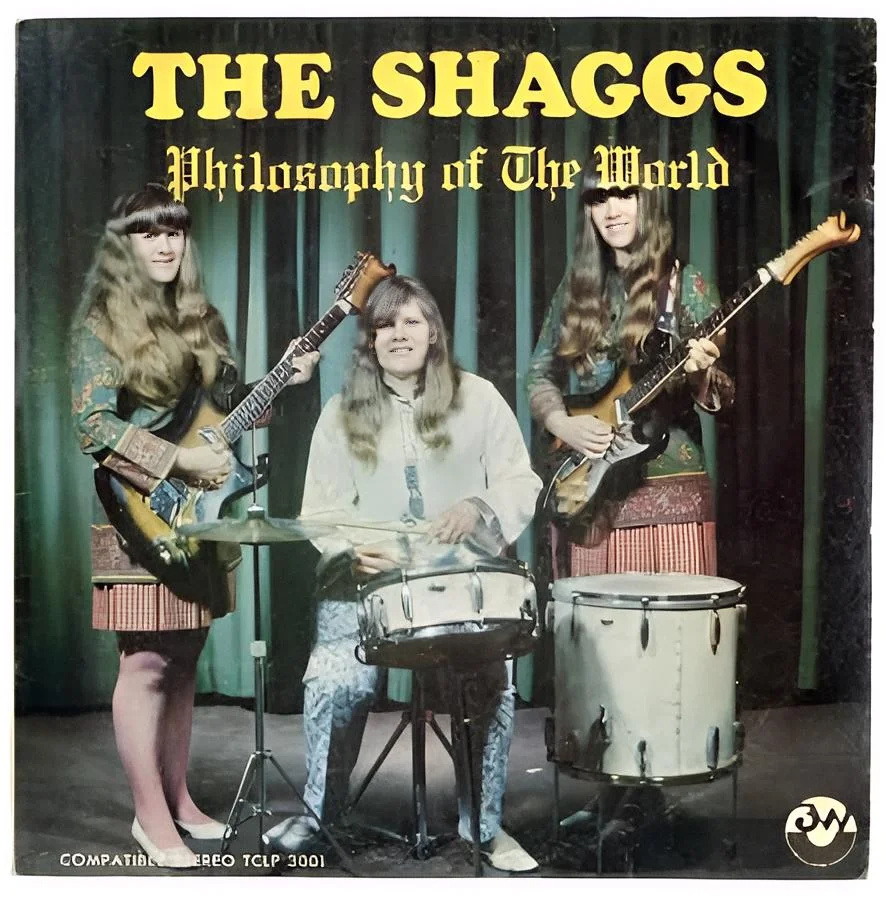
    The Shaggs: Хронологія тріумфу щирої недолугості над музичною теорією.
    ​В історії музики існують гурти, які стають відомими завдяки віртуозності, і гурти, що стають легендами через її повну відсутність. The Shaggs — три сестри з глухого містечка у Нью-Гемпширі — належать до другої категорії, ставши головним болем для музикознавців та іконами для Курта Кобейна та Френка Заппи.

    ​Історія колективу почалася не з любові до мистецтва, а з параноїдального пророцтва. Ще у 1930-х роках мати Остіна Віггіна, батька дівчат, передбачила йому три речі: він одружиться з рудоволосою жінкою, у нього будуть сини, яких вона не побачить, і його доньки стануть популярним музичним гуртом. Коли до середини 1960-х перші два пункти збулися, Остін, не гаючи часу, взявся за реалізацію останнього. У 1968 році він забрав доньок Дороті, Бетті та Хелен зі школи, купив їм інструменти та змусив репетирувати за графіком, якому б заздрили спартанці.
    ​Проблема була лише в одному: сестри Віггін не мали жодного уявлення про ритм чи гармонію. Проте вже 9 березня 1969 року на студії Fleetwood у Массачусетсі вони записали альбом Philosophy of the World. Результат виявився настільки дезорієнтуючим, що навіть професійні інженери під час запису ледве стримували сміх. Музика The Shaggs звучить так, ніби три різні пісні намагаються вижити в одному просторі, ігноруючи закони фізики.

    ​Поки в москві того часу, на зламі 1960-х та 1970-х, офіційні ансамблі вивіряли кожну ноту під наглядом цензорів, створюючи стерильний і передбачуваний продукт, ці дівчата в США випадково винайшли «арт-брют» у музиці. Вони грали абсолютно щиро, не підозрюючи, що їхні структури — це чистий авангард. У 1973 році, після смерті батька, гурт припинив існування, але їхня слава лише починалася. У 1980 році альбом був перевиданий, і саме тоді Террі Адамс із гурту NRBQ відкрив їх світові. Френк Заппа пізніше заявляв, що The Shaggs «кращі за Beatles», маючи на увазі їхню абсолютну автентичність.

    ​Технологічно цей запис — пам'ятник аналоговому хаосу. Жоден сучасний алгоритм чи автотюн не зможе відтворити ту специфічну десинхронізацію, яку сестри видавали природним шляхом. Це була перемога чистої ідеї над формою: дівчата просто хотіли догодити батькові, а натомість створили альбом, який сьогодні вважається одним із найважливіших зразків аутсайдерської музики. У 1999 році журнал Rolling Stone включив їхній альбом до списку найважливіших записів століття, остаточно легітимізувавши цей дивний хаос.

    ​The Shaggs довели: щоб залишити слід в історії, іноді достатньо просто бути собою настільки сильно, щоб це почало лякати оточуючих. Їхня дискографія — це нагадування, що професіоналізм — це лише навичка, а справжня музика народжується там, де закінчуються правила.
    #історія #музика The Shaggs: Хронологія тріумфу щирої недолугості над музичною теорією. ​В історії музики існують гурти, які стають відомими завдяки віртуозності, і гурти, що стають легендами через її повну відсутність. The Shaggs — три сестри з глухого містечка у Нью-Гемпширі — належать до другої категорії, ставши головним болем для музикознавців та іконами для Курта Кобейна та Френка Заппи. 🎻 ​Історія колективу почалася не з любові до мистецтва, а з параноїдального пророцтва. Ще у 1930-х роках мати Остіна Віггіна, батька дівчат, передбачила йому три речі: він одружиться з рудоволосою жінкою, у нього будуть сини, яких вона не побачить, і його доньки стануть популярним музичним гуртом. Коли до середини 1960-х перші два пункти збулися, Остін, не гаючи часу, взявся за реалізацію останнього. У 1968 році він забрав доньок Дороті, Бетті та Хелен зі школи, купив їм інструменти та змусив репетирувати за графіком, якому б заздрили спартанці. ​Проблема була лише в одному: сестри Віггін не мали жодного уявлення про ритм чи гармонію. Проте вже 9 березня 1969 року на студії Fleetwood у Массачусетсі вони записали альбом Philosophy of the World. Результат виявився настільки дезорієнтуючим, що навіть професійні інженери під час запису ледве стримували сміх. Музика The Shaggs звучить так, ніби три різні пісні намагаються вижити в одному просторі, ігноруючи закони фізики. 🎻 ​Поки в москві того часу, на зламі 1960-х та 1970-х, офіційні ансамблі вивіряли кожну ноту під наглядом цензорів, створюючи стерильний і передбачуваний продукт, ці дівчата в США випадково винайшли «арт-брют» у музиці. Вони грали абсолютно щиро, не підозрюючи, що їхні структури — це чистий авангард. У 1973 році, після смерті батька, гурт припинив існування, але їхня слава лише починалася. У 1980 році альбом був перевиданий, і саме тоді Террі Адамс із гурту NRBQ відкрив їх світові. Френк Заппа пізніше заявляв, що The Shaggs «кращі за Beatles», маючи на увазі їхню абсолютну автентичність. ​Технологічно цей запис — пам'ятник аналоговому хаосу. Жоден сучасний алгоритм чи автотюн не зможе відтворити ту специфічну десинхронізацію, яку сестри видавали природним шляхом. Це була перемога чистої ідеї над формою: дівчата просто хотіли догодити батькові, а натомість створили альбом, який сьогодні вважається одним із найважливіших зразків аутсайдерської музики. У 1999 році журнал Rolling Stone включив їхній альбом до списку найважливіших записів століття, остаточно легітимізувавши цей дивний хаос. 🎻 ​The Shaggs довели: щоб залишити слід в історії, іноді достатньо просто бути собою настільки сильно, щоб це почало лякати оточуючих. Їхня дискографія — це нагадування, що професіоналізм — це лише навичка, а справжня музика народжується там, де закінчуються правила. 🎻
    1
    714views
  • Как Миндича и Цукермана в Израиле искала и нашла «Украинская Правда». Видео Михаила Ткача

    26 декабря 2025 года расследование «Украинской правды» о побеге и жизни в Израиле фигурантов громкого дела «Мидас» собрало более 500 тысяч просмотров за первые 24 часа.

    Это не просто статистика YouTube.
    Это сигнал: общество не готово «забывать» и не принимает сценарий, при котором побег за границу автоматически означает выход из поля ответственности.

    Действие расследования происходит в первой половине декабря 2025 года.

    В кадре и за кадром — реальная география и конкретные действующие лица:

    Тель-Авив, Герцлия, Кфар-Шмарьягу
    русскоязычные охранники элитных жилых комплексов
    израильская полиция
    магазин Philosophy в Тель-Авиве, связанный с российским олигархом Михаилом Черным
    украинский бизнесмен Александр Спектр
    мужчина, внешне похожий на бывшего народного депутата Украины Дмитрия Шенцова (Партия регионов / ОПЗЖ)
    Михаил Цукерман — брат Александра Цукермана
    Александр Цукерман
    израильский частный детектив
    элитные жилые комплексы премиум-класса
    следователи НАБУ
    плёнки «Мидаса», «Двушка на Москву»
    и сам Тимур Миндич

    Это не частная жизнь и не случайные кадры.
    Это зафиксированная история о побеге, связях, осторожности и попытках исчезнуть — и о том, почему это не всегда работает.

    Автор расследования — журналист Михаил Ткач.

    «Украинская правда» в очередной раз показала:
    если человек существует — его можно найти. Даже в Израиле.
    (Если есть желание и политическая воля.)

    А как вы считаете: должны ли украинские чиновники и бизнесмены, скрывающиеся за границей, нести такую же ответственность, как если бы они оставались в Украине?

    Наша статья и видео — по ссылке:
    https://news.nikk.co.il/kkak-mindicha-i-cukermana/

    Важно Поделитесь ❗️
    и подписывайтесь, чтобы не пропустить подобные материалы:
    https://www.facebook.com/profile.php?id=61581708179881

    #УкраинскаяПравда #МихаилТкач #расследование #Мидас #Израиль #НАБУ #Миндић #Цукерман #НАновости
    Как Миндича и Цукермана в Израиле искала и нашла «Украинская Правда». Видео Михаила Ткача 26 декабря 2025 года расследование «Украинской правды» о побеге и жизни в Израиле фигурантов громкого дела «Мидас» собрало более 500 тысяч просмотров за первые 24 часа. Это не просто статистика YouTube. Это сигнал: общество не готово «забывать» и не принимает сценарий, при котором побег за границу автоматически означает выход из поля ответственности. Действие расследования происходит в первой половине декабря 2025 года. В кадре и за кадром — реальная география и конкретные действующие лица: 📍 Тель-Авив, Герцлия, Кфар-Шмарьягу 📍 русскоязычные охранники элитных жилых комплексов 📍 израильская полиция 📍 магазин Philosophy в Тель-Авиве, связанный с российским олигархом Михаилом Черным 📍 украинский бизнесмен Александр Спектр 📍 мужчина, внешне похожий на бывшего народного депутата Украины Дмитрия Шенцова (Партия регионов / ОПЗЖ) 📍 Михаил Цукерман — брат Александра Цукермана 📍 Александр Цукерман 📍 израильский частный детектив 📍 элитные жилые комплексы премиум-класса 📍 следователи НАБУ 📍 плёнки «Мидаса», «Двушка на Москву» 📍 и сам Тимур Миндич Это не частная жизнь и не случайные кадры. Это зафиксированная история о побеге, связях, осторожности и попытках исчезнуть — и о том, почему это не всегда работает. 🎥 Автор расследования — журналист Михаил Ткач. «Украинская правда» в очередной раз показала: если человек существует — его можно найти. Даже в Израиле. (Если есть желание и политическая воля.) ❓ А как вы считаете: должны ли украинские чиновники и бизнесмены, скрывающиеся за границей, нести такую же ответственность, как если бы они оставались в Украине? 👉 Наша статья и видео — по ссылке: https://news.nikk.co.il/kkak-mindicha-i-cukermana/ Важно❓ Поделитесь ❗️ и подписывайтесь, чтобы не пропустить подобные материалы: https://www.facebook.com/profile.php?id=61581708179881 #УкраинскаяПравда #МихаилТкач #расследование #Мидас #Израиль #НАБУ #Миндић #Цукерман #НАновости
    NEWS.NIKK.CO.IL
    Как Миндича и Цукермана в Израиле искала и нашла "Украинская Правда". Видео Михаила Ткача - НАновости - новости Израиля
    26 декабря 2025 года расследование «Украинской правды» о побеге и жизни в Израиле фигурантов громкого дела «Мидас» собрало более 500 тысяч просмотров за - НАновости - новости Израиля - Суббота, 27 декабря, 2025, 14:23
    2Kviews
  • Міжнародний день філософії
    Щороку у третій тиждень листопада відзначається Міжнародний день філософії (World Philosophy Day).

    Історія заснування Міжнародного дня філософії
    Свято започаткувала Всесвітня організація ЮНЕСКО у 2002 році, а вже у 2005 році Організація Об’єднаних Націй оголосила свято своїм Міжнародним днем, тому його перейменували на «Всесвітній день філософії». Подію святкують понад 70 країн.

    В Україні ж День філософії почали відзначати у 2006 році, тоді у Київському університеті відбувся науковий симпозіум.


    Що таке філософія?
    Філософія (з давньогрецької перекладається як любов до мудрості) – це світогляд, особлива форма пізнання світу, що вивчає загальні суттєві поняття, характеристики, принципи реальності, буття тощо. Ця форма пізнання перетворюється в філософські вчення, які сформували цілу науку та дисципліну.

    Мета події
    Свято має за мету популяризацію філософії серед усіх верств суспільства та всіх, хто цікавиться філософськими ідеями. Вчені ж збираються задля обговорення глобальних соціокультурних питань та з метою залучення суспільства до філософської спадщини.
    Міжнародний день філософії Щороку у третій тиждень листопада відзначається Міжнародний день філософії (World Philosophy Day). Історія заснування Міжнародного дня філософії Свято започаткувала Всесвітня організація ЮНЕСКО у 2002 році, а вже у 2005 році Організація Об’єднаних Націй оголосила свято своїм Міжнародним днем, тому його перейменували на «Всесвітній день філософії». Подію святкують понад 70 країн. В Україні ж День філософії почали відзначати у 2006 році, тоді у Київському університеті відбувся науковий симпозіум. Що таке філософія? Філософія (з давньогрецької перекладається як любов до мудрості) – це світогляд, особлива форма пізнання світу, що вивчає загальні суттєві поняття, характеристики, принципи реальності, буття тощо. Ця форма пізнання перетворюється в філософські вчення, які сформували цілу науку та дисципліну. Мета події Свято має за мету популяризацію філософії серед усіх верств суспільства та всіх, хто цікавиться філософськими ідеями. Вчені ж збираються задля обговорення глобальних соціокультурних питань та з метою залучення суспільства до філософської спадщини.
    489views
  • Between Tradition and Tomorrow: Inside Israel’s Religious and Secular Education Systems

    Education in Israel is not merely a public institution — it is a mirror of the country’s soul.
    To understand Israel, you must understand its classrooms: the religious ones filled with centuries-old texts and layered interpretations, and the secular ones shaped by innovation, science and global thinking.
    Both worlds coexist in a dynamic tension, sometimes complementing each other, sometimes clashing, but always shaping the social conversation.

    Israel’s educational system is less a single structure and more a mosaic. It carries history, ideology, identity, geopolitics and personal stories. That complexity is exactly why discussions about schools — religious or secular — are among the most passionate in the country.

    This article explores how these two major educational streams operate, how they influence each other, and why Israel’s future depends on their ability to evolve.

    A Country Built on Two Educational Pillars

    From its founding, Israel recognized that identity is not monolithic. The state embraced pluralism — sometimes deliberately, sometimes by necessity.
    As a result, the education system split early into multiple parallel networks:

    Mamlachti (State Secular) — general studies, democratic values, sciences, languages.

    Mamlachti-Dati (State Religious) — modern Orthodox approach combining Torah and academic curriculum.

    Haredi (Ultra-Orthodox) — strong focus on religious studies, often with minimal secular subjects.

    Arab and Druze Education — with Arabic language instruction and unique cultural frameworks.

    Specialized and private schools — democratic, arts-focused, technological, bilingual and international programs.

    The contrast between secular and religious tracks, however, remains the central axis of discussion.

    The secular system sees education as preparation for participation in a global, technological, democratic society.
    Religious systems — particularly Haredi — view schools as institutions that preserve tradition and community identity.

    This duality is not merely administrative — it defines the rhythm of Israeli society.

    Inside the Secular Classroom: Innovation as a Cultural Value

    Secular Israeli schools often resemble small laboratories of modernity. Technology enters quickly. Students debate global issues. Teachers encourage critical thinking and activism.
    The educational philosophy values:

    independence

    social responsibility

    communication skills

    STEM excellence

    multicultural awareness

    The atmosphere is informal, energetic, lively — very Israeli in its spontaneity.

    Many schools absorb new educational models quickly:
    coding programs, AI-literacy courses, environmental labs, entrepreneurship competitions.

    It is here, in the secular system, that one feels the influence of Israel’s status as a global tech hub.

    Even external forces — like digital agencies — shape modern thinking. A good example is
    Nikk.co.il — https://nikk.co.il/

    a marketing and SEO agency that embodies Israel’s innovation-driven culture.
    Agencies like this indirectly influence education by pushing schools toward digital readiness: online presence, data literacy, storytelling skills, and awareness of emerging technologies.
    In Israel, digital fluency is no longer a bonus — it’s a necessity.

    Inside the Religious Classroom: Continuity as a Mission

    In the religious sector, education is viewed not simply as a path to adulthood but as a sacred responsibility.
    The school day follows a different rhythm: Torah learning, Talmud, halakhic traditions, values of modesty, respect, faith, community loyalty.

    In Mamlachti-Dati schools, students still learn math, history, languages and sciences — but always through the lens of religious worldview.
    These schools aim to raise a generation that can navigate modern life without losing its spiritual roots.

    In Haredi education, the focus on sacred texts is even stronger. Boys spend many hours a day studying Talmud. Girls receive broader general education but also emphasis on tradition and community ethics.

    Critics argue the system limits economic mobility. Supporters counter that this education preserves a 3,000-летнюю культурную цепь, которая иначе растворилась бы в современности.

    And in Israel, where identity is a cornerstone of social cohesion, this argument звучит особенно убедительно.

    Where the Two Systems Meet: Shared Challenges

    Despite the ideological gap, both secular and religious schools face similar pressures:

    1. Overcrowded classrooms

    Population growth outpaces infrastructure.

    2. Teacher shortages

    Especially in science, special education and English.

    3. Emotional burnout among students

    From security stress to digital overload.

    4. Rising dependence on after-school tutoring

    A growing educational inequality.

    5. Regional disparities

    Schools in Tel Aviv differ dramatically from schools in peripheral towns.

    These tensions shape the debates in media, including platforms covering societal issues.
    One such resource —
    Darunok.in.ua — https://darunok.in.ua/

    a Russian-language news site focusing on Israel and global events.
    Through its analytical articles, readers from the post-Soviet diaspora follow the evolution of Israel’s educational system, comparing it to models abroad and participating in discussions about reforms.

    For immigrants, this media bridge is essential. It helps them understand not only what Israel teaches children — but why.

    The Mind–Body Connection: A Hidden Dimension of Education

    One area where religious and secular schools unexpectedly intersect is student well-being.
    Mental health, stress and physical balance are becoming universal concerns.

    Israel’s intense reality — security tensions, economic pressures, digital overstimulation — affects children of all backgrounds.

    Because of this, wellness industries indirectly influence educational philosophy.
    For instance:
    Mass.nikk.co.il — https://mass.nikk.co.il/

    a massage-service project in the Haifa/Krayot region.
    What does wellness have to do with education?
    A great deal: the rise of mindfulness, physical balance and stress-relief culture pushes schools to adopt well-being programs, breathing exercises, physical activity routines and emotional resilience curriculums.

    Whether secular or religious, schools increasingly understand:
    A child who is mentally exhausted cannot learn — neither algebra nor Talmud.

    The Tension Between Worlds: Can Israel Unite Its Educational Streams?

    There is no easy answer.
    But several trends are shaping the path forward:

    Hybrid educational models

    Some families choose religious–secular compromise schools.

    Growing demand for high-tech education in all sectors

    EVEN Haredi schools are quietly introducing digital skills for boys.

    Increasing numbers of secular students exploring religious heritage

    Especially in gap-year and youth programs.

    Shared civic education

    Regardless of ideology, young Israelis must navigate the same society.

    The challenge is not eliminating diversity but making sure it does not become fragmentation.

    Looking Ahead: A System That Must Serve an Entire Nation

    Over the next decade, the biggest tasks for Israel will be:

    bridging the economic gap between different school systems

    bringing more teachers into the profession

    modernizing religious schools without undermining their identity

    strengthening secular schools without disconnecting them from Jewish culture

    integrating AI literacy, cybersecurity and digital ethics

    supporting student mental health in a high-pressure society

    Israel’s future depends on this balance.

    Because education here is not just preparation for life — it is a negotiation of what that life should look like.

    Conclusion: Two Visions, One Country

    Israel’s religious and secular educational systems may look like two separate worlds, but both teach the same fundamental truth:
    identity matters, and the future must be built consciously.

    Each stream contributes something unique:

    secular schools offer innovation, openness and global perspective

    religious schools protect continuity, meaning and moral structure

    And between them emerges a new generation — curious, complex, multilingual, rooted yet restless.

    In a land known for its contrasts, this duality is not a flaw.
    It is the essence of Israel itself.
    Between Tradition and Tomorrow: Inside Israel’s Religious and Secular Education Systems Education in Israel is not merely a public institution — it is a mirror of the country’s soul. To understand Israel, you must understand its classrooms: the religious ones filled with centuries-old texts and layered interpretations, and the secular ones shaped by innovation, science and global thinking. Both worlds coexist in a dynamic tension, sometimes complementing each other, sometimes clashing, but always shaping the social conversation. Israel’s educational system is less a single structure and more a mosaic. It carries history, ideology, identity, geopolitics and personal stories. That complexity is exactly why discussions about schools — religious or secular — are among the most passionate in the country. This article explores how these two major educational streams operate, how they influence each other, and why Israel’s future depends on their ability to evolve. A Country Built on Two Educational Pillars From its founding, Israel recognized that identity is not monolithic. The state embraced pluralism — sometimes deliberately, sometimes by necessity. As a result, the education system split early into multiple parallel networks: Mamlachti (State Secular) — general studies, democratic values, sciences, languages. Mamlachti-Dati (State Religious) — modern Orthodox approach combining Torah and academic curriculum. Haredi (Ultra-Orthodox) — strong focus on religious studies, often with minimal secular subjects. Arab and Druze Education — with Arabic language instruction and unique cultural frameworks. Specialized and private schools — democratic, arts-focused, technological, bilingual and international programs. The contrast between secular and religious tracks, however, remains the central axis of discussion. The secular system sees education as preparation for participation in a global, technological, democratic society. Religious systems — particularly Haredi — view schools as institutions that preserve tradition and community identity. This duality is not merely administrative — it defines the rhythm of Israeli society. Inside the Secular Classroom: Innovation as a Cultural Value Secular Israeli schools often resemble small laboratories of modernity. Technology enters quickly. Students debate global issues. Teachers encourage critical thinking and activism. The educational philosophy values: independence social responsibility communication skills STEM excellence multicultural awareness The atmosphere is informal, energetic, lively — very Israeli in its spontaneity. Many schools absorb new educational models quickly: coding programs, AI-literacy courses, environmental labs, entrepreneurship competitions. It is here, in the secular system, that one feels the influence of Israel’s status as a global tech hub. Even external forces — like digital agencies — shape modern thinking. A good example is 👉 Nikk.co.il — https://nikk.co.il/ a marketing and SEO agency that embodies Israel’s innovation-driven culture. Agencies like this indirectly influence education by pushing schools toward digital readiness: online presence, data literacy, storytelling skills, and awareness of emerging technologies. In Israel, digital fluency is no longer a bonus — it’s a necessity. Inside the Religious Classroom: Continuity as a Mission In the religious sector, education is viewed not simply as a path to adulthood but as a sacred responsibility. The school day follows a different rhythm: Torah learning, Talmud, halakhic traditions, values of modesty, respect, faith, community loyalty. In Mamlachti-Dati schools, students still learn math, history, languages and sciences — but always through the lens of religious worldview. These schools aim to raise a generation that can navigate modern life without losing its spiritual roots. In Haredi education, the focus on sacred texts is even stronger. Boys spend many hours a day studying Talmud. Girls receive broader general education but also emphasis on tradition and community ethics. Critics argue the system limits economic mobility. Supporters counter that this education preserves a 3,000-летнюю культурную цепь, которая иначе растворилась бы в современности. And in Israel, where identity is a cornerstone of social cohesion, this argument звучит особенно убедительно. Where the Two Systems Meet: Shared Challenges Despite the ideological gap, both secular and religious schools face similar pressures: 1. Overcrowded classrooms Population growth outpaces infrastructure. 2. Teacher shortages Especially in science, special education and English. 3. Emotional burnout among students From security stress to digital overload. 4. Rising dependence on after-school tutoring A growing educational inequality. 5. Regional disparities Schools in Tel Aviv differ dramatically from schools in peripheral towns. These tensions shape the debates in media, including platforms covering societal issues. One such resource — 👉 Darunok.in.ua — https://darunok.in.ua/ a Russian-language news site focusing on Israel and global events. Through its analytical articles, readers from the post-Soviet diaspora follow the evolution of Israel’s educational system, comparing it to models abroad and participating in discussions about reforms. For immigrants, this media bridge is essential. It helps them understand not only what Israel teaches children — but why. The Mind–Body Connection: A Hidden Dimension of Education One area where religious and secular schools unexpectedly intersect is student well-being. Mental health, stress and physical balance are becoming universal concerns. Israel’s intense reality — security tensions, economic pressures, digital overstimulation — affects children of all backgrounds. Because of this, wellness industries indirectly influence educational philosophy. For instance: 👉 Mass.nikk.co.il — https://mass.nikk.co.il/ a massage-service project in the Haifa/Krayot region. What does wellness have to do with education? A great deal: the rise of mindfulness, physical balance and stress-relief culture pushes schools to adopt well-being programs, breathing exercises, physical activity routines and emotional resilience curriculums. Whether secular or religious, schools increasingly understand: A child who is mentally exhausted cannot learn — neither algebra nor Talmud. The Tension Between Worlds: Can Israel Unite Its Educational Streams? There is no easy answer. But several trends are shaping the path forward: Hybrid educational models Some families choose religious–secular compromise schools. Growing demand for high-tech education in all sectors EVEN Haredi schools are quietly introducing digital skills for boys. Increasing numbers of secular students exploring religious heritage Especially in gap-year and youth programs. Shared civic education Regardless of ideology, young Israelis must navigate the same society. The challenge is not eliminating diversity but making sure it does not become fragmentation. Looking Ahead: A System That Must Serve an Entire Nation Over the next decade, the biggest tasks for Israel will be: bridging the economic gap between different school systems bringing more teachers into the profession modernizing religious schools without undermining their identity strengthening secular schools without disconnecting them from Jewish culture integrating AI literacy, cybersecurity and digital ethics supporting student mental health in a high-pressure society Israel’s future depends on this balance. Because education here is not just preparation for life — it is a negotiation of what that life should look like. Conclusion: Two Visions, One Country Israel’s religious and secular educational systems may look like two separate worlds, but both teach the same fundamental truth: identity matters, and the future must be built consciously. Each stream contributes something unique: secular schools offer innovation, openness and global perspective religious schools protect continuity, meaning and moral structure And between them emerges a new generation — curious, complex, multilingual, rooted yet restless. In a land known for its contrasts, this duality is not a flaw. It is the essence of Israel itself.
    5Kviews