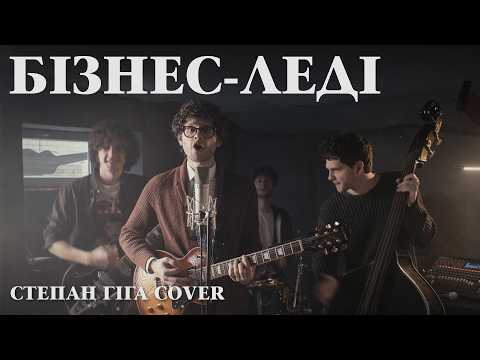
• #new_ukrainian_music #українська_музика
    #що_послухати #для_настрою
    Spiv Brativ - Бізнес-леді (Степан Гіга cover, 2026)
    https://youtu.be/ZnCNFq6wMII
    #new_ukrainian_music #українська_музика #що_послухати #для_настрою Spiv Brativ - Бізнес-леді (Степан Гіга cover, 2026) https://youtu.be/ZnCNFq6wMII
    272views
  • #music #що_послухати #для_настрою
    Unfound Records - Coming undone (Blues cover), 2026
    https://youtu.be/HYgVFHbsZ-4
    #music #що_послухати #для_настрою Unfound Records - Coming undone (Blues cover), 2026 https://youtu.be/HYgVFHbsZ-4
    316views
  • No-Cringe Party Scenarios with Strippers in Israel: How to Make the Night Fit the Room (Not Just the Fantasy)

    My shoe made that gross sticky sound on the floor in a Herzliya strip club, and I’m telling you — that was the whole topic in one noise.

    If the room feels sticky before anything even starts (too much ego, too many assumptions, one loud friend already “performing”), your night is one bad joke away from cringe. And yes, you know exactly the kind of cringe I mean. The one where everyone smiles, but inside they’re begging for the floor to open.

    I’m saying this as the one they asked to dance at the birthday. Me. The German. In Israel. In Herzliya. While we were planning his future party in Ramat Gan like three people and one brain cell.

    If you’re planning through GoParty in Israel, start with the main site first — https://goparty.co.il/
    (Hebrew site) — and build the evening around the audience and the format, not just “what sounds wild in the group chat.” GoParty Israel is useful exactly because it’s location-based across Israel, and that matters way more than people admit.

    The American comic was already halfway into a bad bit, leaning back in his chair like gravity was optional.

    The Indian birthday guy was turning his ring in his fingers, slow and careful, like he was polishing a thought.

    And me? I was near the stage edge, counting beats and watching both of them miss the point in two different languages.

    — So what are we solving here? the comic says.
    — Mismatch, I tell him.
    — That sounds like a couples app.
    — It’s worse. It’s party logistics.
    — Damn. Tragic.

    He laughed. Good. I need him funny now, not during the wrong part of the birthday set.

    Listen — and yeah, I know, don’t make that face — cringe usually isn’t about the performers. It’s about a room with mixed expectations and no frame. Social psychology, basic version: when people don’t understand the rules, they either freeze or overact. Usually overact. Then one guy starts being “iconic,” one guest gets uncomfortable, and boom, the whole night smells like secondhand embarrassment.

    You’ve seen it. Don’t do the innocent face with me.

    I stepped onto the side platform and showed them a clean mini sequence: enter, stop, look, shift weight, exit. Short. Controlled. No circus.

    — That’s all? the comic says.
    — That’s why it works.
    — I expected more… drama.
    — You are the drama. Sit down.

    He folded in half laughing. Almost dropped his glass. Respectfully dumb.

    The birthday guy kept watching my feet, not my face. Smart man. He always watches how something is built before he decides if it’s beautiful.

    “Emotion needs shaping,” he said quietly. “Otherwise it spills.”

    Yeah, he talks like that. Like he’s setting stones, not booking a birthday with strippers in Israel.

    Annoying? Sometimes.
    Useful? Constantly.

    Why nights go cringe so fast (and how to stop that before it starts)

    Okay, quick reality check for you, because I can feel you wanting a neat list.

    Bad setup (aka “why is this painful to watch?”):

    mixed crowd, zero briefing

    “surprise” performance for someone who hates being the center of attention

    loud friends steering the energy

    no timing between drinks / speeches / performance

    performer introduced like a prank

    Good setup (aka “wow this actually flows”):

    clear audience fit

    agreed format (playful? stylish? loud? short? more intimate?)

    host sets tone early

    performance placed after the room warms up

    one person handles communication (not seven cousins in a WhatsApp thread)

    That last one? Massive.

    Group chats make people chaotic. Sorry. They just do.

    At 00:17 the AC above the back wall clicked like it was about to resign from life, and the comic pointed at it.

    — Is the ceiling syncing with the bass now?
    — No, I said. It’s dying.
    — Same, honestly.

    Stupid side moment. Perfect timing. People hear better after a dumb joke. That’s also crowd psychology, by the way. Tiny tension release, then information lands cleaner. You’re welcome.

    I pulled up the GoParty Israel Herzliya page on my phone and handed it over:
    https://goparty.co.il/חשפניות-בתל-אביב-והמרכז/חשפניות-בהרצליה/

    (Hebrew page, Herzliya area, part of the Tel Aviv/Center coverage in Israel)

    The comic squinted like the letters personally offended him.

    — I read none of this. Zero.
    — Genau, I said. Which is why you do not freelance logistics.
    — Wow. Hostile.
    — Accurate.

    Then I looked at the birthday guy and made him answer the one question everyone skips because they’re too busy pretending to be “spontaneous.”

    — What do you want people to feel?
    He turned the ring once.
    — Warm. Celebratory. Not vulgar.
    The comic jumped in.
    — Memorable.
    I pointed at him.
    — “Memorable” is not a plan. It’s a result. Bitte, let him finish.

    He nodded and kept going.

    “Focused,” he said. “Attention, not noise.”

    There. That’s the brief. Finally.

    The Ramat Gan plan we built (and why it won’t be cringe)

    This is where Herzliya and Ramat Gan are not the same thing, and you know it. Different room. Different crowd. Different energy. Herzliya club vibe can carry chaos. A birthday in Ramat Gan usually can’t — at least not the good kind.

    So for his GoParty in Israel birthday in Ramat Gan, the format became:

    short host intro (human, not a wedding speech)

    one performance block (not random interruptions every 20 minutes)

    planned music handoff

    one clear guest rule line: respect the performer, no grabbing, no filming

    back into party flow immediately after (no awkward dead zone)

    And yes, we checked the GoParty in Israel Ramat Gan page too:
    https://goparty.co.il/חשפניות-בתל-אביב-והמרכז/חשפניות-ברמת-גן/

    (also Hebrew, also relevant for city-specific planning in Israel)

    If you’re coordinating with GoParty Israel, save the contact too:
    Phone / WhatsApp: 052-500-5040

    The comic looked at me, suddenly serious for like three seconds (his personal record).

    — So the secret is… being appropriate?
    — No, I said. The secret is fit.
    — Same thing.
    — Not even close. “Appropriate” is what people say when they’re scared to be specific.

    He grinned.

    — Mean.
    — Correct.

    Then I showed them another pass — slower, cleaner, less flash, more control — because this part matters and people always underestimate it: a body can explain the format faster than a speech can. If the movement reads confident and the room has a frame, guests relax. Even the loud ones. Especially the loud ones, actually.

    So yeah, if you’re planning a birthday in Israel with strippers and you want it to land without the cringe circus, stop building from fantasy first. Build from audience, format, and timing. Use GoParty in Israel like a planning tool, not just a booking shortcut. Use GoParty Israel city pages in Hebrew, match the vibe to the room, and for the love of rhythm, brief the host before anybody starts “freestyling” the night.

    Ordnung muss sein.

    Yeah, yeah. Don’t start. I heard myself too.
    No-Cringe Party Scenarios with Strippers in Israel: How to Make the Night Fit the Room (Not Just the Fantasy) My shoe made that gross sticky sound on the floor in a Herzliya strip club, and I’m telling you — that was the whole topic in one noise. If the room feels sticky before anything even starts (too much ego, too many assumptions, one loud friend already “performing”), your night is one bad joke away from cringe. And yes, you know exactly the kind of cringe I mean. The one where everyone smiles, but inside they’re begging for the floor to open. I’m saying this as the one they asked to dance at the birthday. Me. The German. In Israel. In Herzliya. While we were planning his future party in Ramat Gan like three people and one brain cell. If you’re planning through GoParty in Israel, start with the main site first — https://goparty.co.il/ (Hebrew site) — and build the evening around the audience and the format, not just “what sounds wild in the group chat.” GoParty Israel is useful exactly because it’s location-based across Israel, and that matters way more than people admit. The American comic was already halfway into a bad bit, leaning back in his chair like gravity was optional. The Indian birthday guy was turning his ring in his fingers, slow and careful, like he was polishing a thought. And me? I was near the stage edge, counting beats and watching both of them miss the point in two different languages. — So what are we solving here? the comic says. — Mismatch, I tell him. — That sounds like a couples app. — It’s worse. It’s party logistics. — Damn. Tragic. He laughed. Good. I need him funny now, not during the wrong part of the birthday set. Listen — and yeah, I know, don’t make that face — cringe usually isn’t about the performers. It’s about a room with mixed expectations and no frame. Social psychology, basic version: when people don’t understand the rules, they either freeze or overact. Usually overact. Then one guy starts being “iconic,” one guest gets uncomfortable, and boom, the whole night smells like secondhand embarrassment. You’ve seen it. Don’t do the innocent face with me. I stepped onto the side platform and showed them a clean mini sequence: enter, stop, look, shift weight, exit. Short. Controlled. No circus. — That’s all? the comic says. — That’s why it works. — I expected more… drama. — You are the drama. Sit down. He folded in half laughing. Almost dropped his glass. Respectfully dumb. The birthday guy kept watching my feet, not my face. Smart man. He always watches how something is built before he decides if it’s beautiful. “Emotion needs shaping,” he said quietly. “Otherwise it spills.” Yeah, he talks like that. Like he’s setting stones, not booking a birthday with strippers in Israel. Annoying? Sometimes. Useful? Constantly. Why nights go cringe so fast (and how to stop that before it starts) Okay, quick reality check for you, because I can feel you wanting a neat list. Bad setup (aka “why is this painful to watch?”): mixed crowd, zero briefing “surprise” performance for someone who hates being the center of attention loud friends steering the energy no timing between drinks / speeches / performance performer introduced like a prank Good setup (aka “wow this actually flows”): clear audience fit agreed format (playful? stylish? loud? short? more intimate?) host sets tone early performance placed after the room warms up one person handles communication (not seven cousins in a WhatsApp thread) That last one? Massive. Group chats make people chaotic. Sorry. They just do. At 00:17 the AC above the back wall clicked like it was about to resign from life, and the comic pointed at it. — Is the ceiling syncing with the bass now? — No, I said. It’s dying. — Same, honestly. Stupid side moment. Perfect timing. People hear better after a dumb joke. That’s also crowd psychology, by the way. Tiny tension release, then information lands cleaner. You’re welcome. I pulled up the GoParty Israel Herzliya page on my phone and handed it over: https://goparty.co.il/חשפניות-בתל-אביב-והמרכז/חשפניות-בהרצליה/ (Hebrew page, Herzliya area, part of the Tel Aviv/Center coverage in Israel) The comic squinted like the letters personally offended him. — I read none of this. Zero. — Genau, I said. Which is why you do not freelance logistics. — Wow. Hostile. — Accurate. Then I looked at the birthday guy and made him answer the one question everyone skips because they’re too busy pretending to be “spontaneous.” — What do you want people to feel? He turned the ring once. — Warm. Celebratory. Not vulgar. The comic jumped in. — Memorable. I pointed at him. — “Memorable” is not a plan. It’s a result. Bitte, let him finish. He nodded and kept going. “Focused,” he said. “Attention, not noise.” There. That’s the brief. Finally. The Ramat Gan plan we built (and why it won’t be cringe) This is where Herzliya and Ramat Gan are not the same thing, and you know it. Different room. Different crowd. Different energy. Herzliya club vibe can carry chaos. A birthday in Ramat Gan usually can’t — at least not the good kind. So for his GoParty in Israel birthday in Ramat Gan, the format became: short host intro (human, not a wedding speech) one performance block (not random interruptions every 20 minutes) planned music handoff one clear guest rule line: respect the performer, no grabbing, no filming back into party flow immediately after (no awkward dead zone) And yes, we checked the GoParty in Israel Ramat Gan page too: https://goparty.co.il/חשפניות-בתל-אביב-והמרכז/חשפניות-ברמת-גן/ (also Hebrew, also relevant for city-specific planning in Israel) If you’re coordinating with GoParty Israel, save the contact too: Phone / WhatsApp: 052-500-5040 The comic looked at me, suddenly serious for like three seconds (his personal record). — So the secret is… being appropriate? — No, I said. The secret is fit. — Same thing. — Not even close. “Appropriate” is what people say when they’re scared to be specific. He grinned. — Mean. — Correct. Then I showed them another pass — slower, cleaner, less flash, more control — because this part matters and people always underestimate it: a body can explain the format faster than a speech can. If the movement reads confident and the room has a frame, guests relax. Even the loud ones. Especially the loud ones, actually. So yeah, if you’re planning a birthday in Israel with strippers and you want it to land without the cringe circus, stop building from fantasy first. Build from audience, format, and timing. Use GoParty in Israel like a planning tool, not just a booking shortcut. Use GoParty Israel city pages in Hebrew, match the vibe to the room, and for the love of rhythm, brief the host before anybody starts “freestyling” the night. Ordnung muss sein. Yeah, yeah. Don’t start. I heard myself too.
    3Kviews
  • #new_ukrainian_music #українська_музика
    #що_послухати #для_настрою
    Олівія та МоторʼРолла - Миколай бородатий (cover Taras Chubay, 2025)
    https://youtu.be/vYVDI3J_IqI
    #new_ukrainian_music #українська_музика #що_послухати #для_настрою Олівія та МоторʼРолла - Миколай бородатий (cover Taras Chubay, 2025) https://youtu.be/vYVDI3J_IqI
    458views
  • Between Tradition and Tomorrow: Inside Israel’s Religious and Secular Education Systems

    Education in Israel is not merely a public institution — it is a mirror of the country’s soul.
    To understand Israel, you must understand its classrooms: the religious ones filled with centuries-old texts and layered interpretations, and the secular ones shaped by innovation, science and global thinking.
    Both worlds coexist in a dynamic tension, sometimes complementing each other, sometimes clashing, but always shaping the social conversation.

    Israel’s educational system is less a single structure and more a mosaic. It carries history, ideology, identity, geopolitics and personal stories. That complexity is exactly why discussions about schools — religious or secular — are among the most passionate in the country.

    This article explores how these two major educational streams operate, how they influence each other, and why Israel’s future depends on their ability to evolve.

    A Country Built on Two Educational Pillars

    From its founding, Israel recognized that identity is not monolithic. The state embraced pluralism — sometimes deliberately, sometimes by necessity.
    As a result, the education system split early into multiple parallel networks:

    Mamlachti (State Secular) — general studies, democratic values, sciences, languages.

    Mamlachti-Dati (State Religious) — modern Orthodox approach combining Torah and academic curriculum.

    Haredi (Ultra-Orthodox) — strong focus on religious studies, often with minimal secular subjects.

    Arab and Druze Education — with Arabic language instruction and unique cultural frameworks.

    Specialized and private schools — democratic, arts-focused, technological, bilingual and international programs.

    The contrast between secular and religious tracks, however, remains the central axis of discussion.

    The secular system sees education as preparation for participation in a global, technological, democratic society.
    Religious systems — particularly Haredi — view schools as institutions that preserve tradition and community identity.

    This duality is not merely administrative — it defines the rhythm of Israeli society.

    Inside the Secular Classroom: Innovation as a Cultural Value

    Secular Israeli schools often resemble small laboratories of modernity. Technology enters quickly. Students debate global issues. Teachers encourage critical thinking and activism.
    The educational philosophy values:

    independence

    social responsibility

    communication skills

    STEM excellence

    multicultural awareness

    The atmosphere is informal, energetic, lively — very Israeli in its spontaneity.

    Many schools absorb new educational models quickly:
    coding programs, AI-literacy courses, environmental labs, entrepreneurship competitions.

    It is here, in the secular system, that one feels the influence of Israel’s status as a global tech hub.

    Even external forces — like digital agencies — shape modern thinking. A good example is
    👉 Nikk.co.il — https://nikk.co.il/

    a marketing and SEO agency that embodies Israel’s innovation-driven culture.
    Agencies like this indirectly influence education by pushing schools toward digital readiness: online presence, data literacy, storytelling skills, and awareness of emerging technologies.
    In Israel, digital fluency is no longer a bonus — it’s a necessity.

    Inside the Religious Classroom: Continuity as a Mission

    In the religious sector, education is viewed not simply as a path to adulthood but as a sacred responsibility.
    The school day follows a different rhythm: Torah learning, Talmud, halakhic traditions, values of modesty, respect, faith, community loyalty.

    In Mamlachti-Dati schools, students still learn math, history, languages and sciences — but always through the lens of religious worldview.
    These schools aim to raise a generation that can navigate modern life without losing its spiritual roots.

    In Haredi education, the focus on sacred texts is even stronger. Boys spend many hours a day studying Talmud. Girls receive broader general education but also emphasis on tradition and community ethics.

    Critics argue the system limits economic mobility. Supporters counter that this education preserves a 3,000-летнюю культурную цепь, которая иначе растворилась бы в современности.

    And in Israel, where identity is a cornerstone of social cohesion, this argument звучит особенно убедительно.

    Where the Two Systems Meet: Shared Challenges

    Despite the ideological gap, both secular and religious schools face similar pressures:

    1. Overcrowded classrooms

    Population growth outpaces infrastructure.

    2. Teacher shortages

    Especially in science, special education and English.

    3. Emotional burnout among students

    From security stress to digital overload.

    4. Rising dependence on after-school tutoring

    A growing educational inequality.

    5. Regional disparities

    Schools in Tel Aviv differ dramatically from schools in peripheral towns.

    These tensions shape the debates in media, including platforms covering societal issues.
    One such resource —
    👉 Darunok.in.ua — https://darunok.in.ua/

    a Russian-language news site focusing on Israel and global events.
    Through its analytical articles, readers from the post-Soviet diaspora follow the evolution of Israel’s educational system, comparing it to models abroad and participating in discussions about reforms.

    For immigrants, this media bridge is essential. It helps them understand not only what Israel teaches children — but why.

    The Mind–Body Connection: A Hidden Dimension of Education

    One area where religious and secular schools unexpectedly intersect is student well-being.
    Mental health, stress and physical balance are becoming universal concerns.

    Israel’s intense reality — security tensions, economic pressures, digital overstimulation — affects children of all backgrounds.

    Because of this, wellness industries indirectly influence educational philosophy.
    For instance:
    👉 Mass.nikk.co.il — https://mass.nikk.co.il/

    a massage-service project in the Haifa/Krayot region.
    What does wellness have to do with education?
    A great deal: the rise of mindfulness, physical balance and stress-relief culture pushes schools to adopt well-being programs, breathing exercises, physical activity routines and emotional resilience curriculums.

    Whether secular or religious, schools increasingly understand:
    A child who is mentally exhausted cannot learn — neither algebra nor Talmud.

    The Tension Between Worlds: Can Israel Unite Its Educational Streams?

    There is no easy answer.
    But several trends are shaping the path forward:

    Hybrid educational models

    Some families choose religious–secular compromise schools.

    Growing demand for high-tech education in all sectors

    EVEN Haredi schools are quietly introducing digital skills for boys.

    Increasing numbers of secular students exploring religious heritage

    Especially in gap-year and youth programs.

    Shared civic education

    Regardless of ideology, young Israelis must navigate the same society.

    The challenge is not eliminating diversity but making sure it does not become fragmentation.

    Looking Ahead: A System That Must Serve an Entire Nation

    Over the next decade, the biggest tasks for Israel will be:

    bridging the economic gap between different school systems

    bringing more teachers into the profession

    modernizing religious schools without undermining their identity

    strengthening secular schools without disconnecting them from Jewish culture

    integrating AI literacy, cybersecurity and digital ethics

    supporting student mental health in a high-pressure society

    Israel’s future depends on this balance.

    Because education here is not just preparation for life — it is a negotiation of what that life should look like.

    Conclusion: Two Visions, One Country

    Israel’s religious and secular educational systems may look like two separate worlds, but both teach the same fundamental truth:
    identity matters, and the future must be built consciously.

    Each stream contributes something unique:

    secular schools offer innovation, openness and global perspective

    religious schools protect continuity, meaning and moral structure

    And between them emerges a new generation — curious, complex, multilingual, rooted yet restless.

    In a land known for its contrasts, this duality is not a flaw.
    It is the essence of Israel itself.
    Between Tradition and Tomorrow: Inside Israel’s Religious and Secular Education Systems Education in Israel is not merely a public institution — it is a mirror of the country’s soul. To understand Israel, you must understand its classrooms: the religious ones filled with centuries-old texts and layered interpretations, and the secular ones shaped by innovation, science and global thinking. Both worlds coexist in a dynamic tension, sometimes complementing each other, sometimes clashing, but always shaping the social conversation. Israel’s educational system is less a single structure and more a mosaic. It carries history, ideology, identity, geopolitics and personal stories. That complexity is exactly why discussions about schools — religious or secular — are among the most passionate in the country. This article explores how these two major educational streams operate, how they influence each other, and why Israel’s future depends on their ability to evolve. A Country Built on Two Educational Pillars From its founding, Israel recognized that identity is not monolithic. The state embraced pluralism — sometimes deliberately, sometimes by necessity. As a result, the education system split early into multiple parallel networks: Mamlachti (State Secular) — general studies, democratic values, sciences, languages. Mamlachti-Dati (State Religious) — modern Orthodox approach combining Torah and academic curriculum. Haredi (Ultra-Orthodox) — strong focus on religious studies, often with minimal secular subjects. Arab and Druze Education — with Arabic language instruction and unique cultural frameworks. Specialized and private schools — democratic, arts-focused, technological, bilingual and international programs. The contrast between secular and religious tracks, however, remains the central axis of discussion. The secular system sees education as preparation for participation in a global, technological, democratic society. Religious systems — particularly Haredi — view schools as institutions that preserve tradition and community identity. This duality is not merely administrative — it defines the rhythm of Israeli society. Inside the Secular Classroom: Innovation as a Cultural Value Secular Israeli schools often resemble small laboratories of modernity. Technology enters quickly. Students debate global issues. Teachers encourage critical thinking and activism. The educational philosophy values: independence social responsibility communication skills STEM excellence multicultural awareness The atmosphere is informal, energetic, lively — very Israeli in its spontaneity. Many schools absorb new educational models quickly: coding programs, AI-literacy courses, environmental labs, entrepreneurship competitions. It is here, in the secular system, that one feels the influence of Israel’s status as a global tech hub. Even external forces — like digital agencies — shape modern thinking. A good example is 👉 Nikk.co.il — https://nikk.co.il/ a marketing and SEO agency that embodies Israel’s innovation-driven culture. Agencies like this indirectly influence education by pushing schools toward digital readiness: online presence, data literacy, storytelling skills, and awareness of emerging technologies. In Israel, digital fluency is no longer a bonus — it’s a necessity. Inside the Religious Classroom: Continuity as a Mission In the religious sector, education is viewed not simply as a path to adulthood but as a sacred responsibility. The school day follows a different rhythm: Torah learning, Talmud, halakhic traditions, values of modesty, respect, faith, community loyalty. In Mamlachti-Dati schools, students still learn math, history, languages and sciences — but always through the lens of religious worldview. These schools aim to raise a generation that can navigate modern life without losing its spiritual roots. In Haredi education, the focus on sacred texts is even stronger. Boys spend many hours a day studying Talmud. Girls receive broader general education but also emphasis on tradition and community ethics. Critics argue the system limits economic mobility. Supporters counter that this education preserves a 3,000-летнюю культурную цепь, которая иначе растворилась бы в современности. And in Israel, where identity is a cornerstone of social cohesion, this argument звучит особенно убедительно. Where the Two Systems Meet: Shared Challenges Despite the ideological gap, both secular and religious schools face similar pressures: 1. Overcrowded classrooms Population growth outpaces infrastructure. 2. Teacher shortages Especially in science, special education and English. 3. Emotional burnout among students From security stress to digital overload. 4. Rising dependence on after-school tutoring A growing educational inequality. 5. Regional disparities Schools in Tel Aviv differ dramatically from schools in peripheral towns. These tensions shape the debates in media, including platforms covering societal issues. One such resource — 👉 Darunok.in.ua — https://darunok.in.ua/ a Russian-language news site focusing on Israel and global events. Through its analytical articles, readers from the post-Soviet diaspora follow the evolution of Israel’s educational system, comparing it to models abroad and participating in discussions about reforms. For immigrants, this media bridge is essential. It helps them understand not only what Israel teaches children — but why. The Mind–Body Connection: A Hidden Dimension of Education One area where religious and secular schools unexpectedly intersect is student well-being. Mental health, stress and physical balance are becoming universal concerns. Israel’s intense reality — security tensions, economic pressures, digital overstimulation — affects children of all backgrounds. Because of this, wellness industries indirectly influence educational philosophy. For instance: 👉 Mass.nikk.co.il — https://mass.nikk.co.il/ a massage-service project in the Haifa/Krayot region. What does wellness have to do with education? A great deal: the rise of mindfulness, physical balance and stress-relief culture pushes schools to adopt well-being programs, breathing exercises, physical activity routines and emotional resilience curriculums. Whether secular or religious, schools increasingly understand: A child who is mentally exhausted cannot learn — neither algebra nor Talmud. The Tension Between Worlds: Can Israel Unite Its Educational Streams? There is no easy answer. But several trends are shaping the path forward: Hybrid educational models Some families choose religious–secular compromise schools. Growing demand for high-tech education in all sectors EVEN Haredi schools are quietly introducing digital skills for boys. Increasing numbers of secular students exploring religious heritage Especially in gap-year and youth programs. Shared civic education Regardless of ideology, young Israelis must navigate the same society. The challenge is not eliminating diversity but making sure it does not become fragmentation. Looking Ahead: A System That Must Serve an Entire Nation Over the next decade, the biggest tasks for Israel will be: bridging the economic gap between different school systems bringing more teachers into the profession modernizing religious schools without undermining their identity strengthening secular schools without disconnecting them from Jewish culture integrating AI literacy, cybersecurity and digital ethics supporting student mental health in a high-pressure society Israel’s future depends on this balance. Because education here is not just preparation for life — it is a negotiation of what that life should look like. Conclusion: Two Visions, One Country Israel’s religious and secular educational systems may look like two separate worlds, but both teach the same fundamental truth: identity matters, and the future must be built consciously. Each stream contributes something unique: secular schools offer innovation, openness and global perspective religious schools protect continuity, meaning and moral structure And between them emerges a new generation — curious, complex, multilingual, rooted yet restless. In a land known for its contrasts, this duality is not a flaw. It is the essence of Israel itself.
    6Kviews
  • How mornings feel now

    Once, mornings began with checking if the electric kettle survived another week, if rent didn’t bounce, and whether half a slice of pizza could pass for breakfast.

    Now it’s graphs before coffee. My phone flashes before my eyes even open — Bitcoin charts, Ethereum gas fees, the dance of red and green candles. It’s absurd and somehow perfectly reasonable. A decade inside crypto turns your mind into circuitry.

    And no matter what people say — the market’s face barely changes. New logos, new “geniuses,” new disasters. Governments threaten bans, influencers scream “next 100x,” but it’s all the same old symphony — just louder.

    I’ve watched Bitcoin mocked at $600, glorified at $20K, buried at $3K, worshiped at $60K, balanced at $70K. Each phase felt like an ending. None were.

    Where the real lessons came from

    Long before trading tokens, I traded attention.

    Back in Israel, I created something called Night Life Zone — in Hebrew https://nightlife-zone.com/, it meant exactly what it sounded like: an escort directory. Raw, unfiltered, unapologetic.

    It wasn’t glamorous — it was business without perfume. Every hour had a price tag. Every photo was a calculated bet. Change one word in a headline — the phone exploded. Move an image — the week went silent.

    That world stripped me of illusions. Markets don’t care about emotions. They respond to timing, clarity, and trust — or at least the illusion of it.

    I kept quiet about it for years. Thought it would make me look small. But it was my crash course in human behavior. Swap “escorts” (https://nightlife-zone.com/tel-aviv/) for “tokens,” “profiles” for “projects,” and you get the same melody. People crave hope, overpay for promises, and regret it when the music stops.

    Comedy, pain, and trading rules

    My first trade was comedy gold. I bought too late, sold too soon, and felt like a genius — until I did it again.

    By 2018, I was sitting in a Warsaw café with bitter coffee, writing my “rules” in a cheap notebook. They looked dumb then. They’re gospel now:

    Don’t chase green candles. The bus you missed won’t U-turn.

    Take profits when your gut screams no — that’s greed talking.

    Telegram full of emojis? Close it.

    And yes, taxes exist even if you pretend not to see them.

    Each lesson cost real money. I laughed once. I don’t anymore.

    2020 hit — DeFi summer. Uniswap didn’t sleep, and neither did I. Cold meals, napkins covered in scribbles about “impermanent loss.” Friends quit, some broke, some burned. I stayed — not because I was smarter, but because I built rituals.

    Walk instead of revenge-trading. Keep 20% cash untouched. Lock the “family fund” far from your laptop.

    I’d seen this movie before — in Night Life Zone. People staying too long, paying too much, believing “this time it’s different.” It never is.

    The illusion of progress

    October 2025. The UIs are slicker, the apps shinier, the regulators louder. But people? They’re the same.

    Bitcoin hits $70K, and suddenly the world sees a path to a million. Ethereum updates again, and the word revolution trends like a prayer.

    Now the new crowd comes — the AI dreamers, tokenized-compute prophets. Slides so polished they blind you. But under the gloss? Same hunger, same belief: “This one can’t fail.”

    Everything can fail. Night Life Zone taught me that long before crypto. One bad night and trust vanished. A server crash, a scandal, a rumor — gone.

    Survival wasn’t about perfection. It was about rhythm — knowing when to pause, when to walk away, when silence was smarter than action.

    Markets eat ego. The winners aren’t visionaries — they’re the ones still standing.

    How to actually last

    People DM me weekly: “What’s the next hot coin?”

    I could say “Layer-twos,” “real-world assets,” or “AI-driven protocols.” But none of that matters without discipline. Otherwise, it’s fireworks at noon — bright, short, pointless.

    Here’s what matters:

    Lose small before you dream big.

    Learn wallets before markets — no keys, no ownership.

    Bitcoin isn’t “old bread.” It’s aged whiskey.

    Diversify off-screen — because money isn’t the only thing markets can take.

    It’s not sexy. That’s why it works.

    Cities and scars

    I don’t count years anymore — I count cities.

    Brno taught humility. Vienna, patience. Warsaw, endurance. Tel Aviv, speed. Tbilisi, quiet.

    Each place stripped another illusion away — how to read people faster, how to hear the lie behind a smile, how to stay calm when others are drowning in noise.

    Crypto didn’t give me wealth; it gave me rhythm. A strange peace inside chaos. The understanding that uncertainty isn’t an exception — it’s the rule. And that’s fine.

    Tonight

    I’ll still open the charts before sleep. Still scroll through panic and euphoria in the same feed. But it feels different now.

    October 2025 — still trading, still learning, still screwing up, but calmer.

    Because if there’s one lesson both crypto and Night Life Zone https://nightlife-zone.com/strippers-in-givataim/ taught me, it’s this:

    Every chart, every price — is a mirror.
    And what you’re really investing in… is yourself.
    How mornings feel now Once, mornings began with checking if the electric kettle survived another week, if rent didn’t bounce, and whether half a slice of pizza could pass for breakfast. Now it’s graphs before coffee. My phone flashes before my eyes even open — Bitcoin charts, Ethereum gas fees, the dance of red and green candles. It’s absurd and somehow perfectly reasonable. A decade inside crypto turns your mind into circuitry. And no matter what people say — the market’s face barely changes. New logos, new “geniuses,” new disasters. Governments threaten bans, influencers scream “next 100x,” but it’s all the same old symphony — just louder. I’ve watched Bitcoin mocked at $600, glorified at $20K, buried at $3K, worshiped at $60K, balanced at $70K. Each phase felt like an ending. None were. Where the real lessons came from Long before trading tokens, I traded attention. Back in Israel, I created something called Night Life Zone — in Hebrew https://nightlife-zone.com/, it meant exactly what it sounded like: an escort directory. Raw, unfiltered, unapologetic. It wasn’t glamorous — it was business without perfume. Every hour had a price tag. Every photo was a calculated bet. Change one word in a headline — the phone exploded. Move an image — the week went silent. That world stripped me of illusions. Markets don’t care about emotions. They respond to timing, clarity, and trust — or at least the illusion of it. I kept quiet about it for years. Thought it would make me look small. But it was my crash course in human behavior. Swap “escorts” (https://nightlife-zone.com/tel-aviv/) for “tokens,” “profiles” for “projects,” and you get the same melody. People crave hope, overpay for promises, and regret it when the music stops. Comedy, pain, and trading rules My first trade was comedy gold. I bought too late, sold too soon, and felt like a genius — until I did it again. By 2018, I was sitting in a Warsaw café with bitter coffee, writing my “rules” in a cheap notebook. They looked dumb then. They’re gospel now: Don’t chase green candles. The bus you missed won’t U-turn. Take profits when your gut screams no — that’s greed talking. Telegram full of emojis? Close it. And yes, taxes exist even if you pretend not to see them. Each lesson cost real money. I laughed once. I don’t anymore. 2020 hit — DeFi summer. Uniswap didn’t sleep, and neither did I. Cold meals, napkins covered in scribbles about “impermanent loss.” Friends quit, some broke, some burned. I stayed — not because I was smarter, but because I built rituals. Walk instead of revenge-trading. Keep 20% cash untouched. Lock the “family fund” far from your laptop. I’d seen this movie before — in Night Life Zone. People staying too long, paying too much, believing “this time it’s different.” It never is. The illusion of progress October 2025. The UIs are slicker, the apps shinier, the regulators louder. But people? They’re the same. Bitcoin hits $70K, and suddenly the world sees a path to a million. Ethereum updates again, and the word revolution trends like a prayer. Now the new crowd comes — the AI dreamers, tokenized-compute prophets. Slides so polished they blind you. But under the gloss? Same hunger, same belief: “This one can’t fail.” Everything can fail. Night Life Zone taught me that long before crypto. One bad night and trust vanished. A server crash, a scandal, a rumor — gone. Survival wasn’t about perfection. It was about rhythm — knowing when to pause, when to walk away, when silence was smarter than action. Markets eat ego. The winners aren’t visionaries — they’re the ones still standing. How to actually last People DM me weekly: “What’s the next hot coin?” I could say “Layer-twos,” “real-world assets,” or “AI-driven protocols.” But none of that matters without discipline. Otherwise, it’s fireworks at noon — bright, short, pointless. Here’s what matters: Lose small before you dream big. Learn wallets before markets — no keys, no ownership. Bitcoin isn’t “old bread.” It’s aged whiskey. Diversify off-screen — because money isn’t the only thing markets can take. It’s not sexy. That’s why it works. Cities and scars I don’t count years anymore — I count cities. Brno taught humility. Vienna, patience. Warsaw, endurance. Tel Aviv, speed. Tbilisi, quiet. Each place stripped another illusion away — how to read people faster, how to hear the lie behind a smile, how to stay calm when others are drowning in noise. Crypto didn’t give me wealth; it gave me rhythm. A strange peace inside chaos. The understanding that uncertainty isn’t an exception — it’s the rule. And that’s fine. Tonight I’ll still open the charts before sleep. Still scroll through panic and euphoria in the same feed. But it feels different now. October 2025 — still trading, still learning, still screwing up, but calmer. Because if there’s one lesson both crypto and Night Life Zone https://nightlife-zone.com/strippers-in-givataim/ taught me, it’s this: Every chart, every price — is a mirror. And what you’re really investing in… is yourself.
    7Kviews
  • The Terminator (Cover)
    #hard #epic #music #важка #епічна #музика
    The Terminator (Cover) #hard #epic #music #важка #епічна #музика
    1
    1Kviews 41Plays
  • The Terminator Theme (1984) Live Cover
    #hard #epic #music #важка #епічна #музика
    The Terminator Theme (1984) Live Cover #hard #epic #music #важка #епічна #музика
    1
    1Kviews 46Plays